Local News
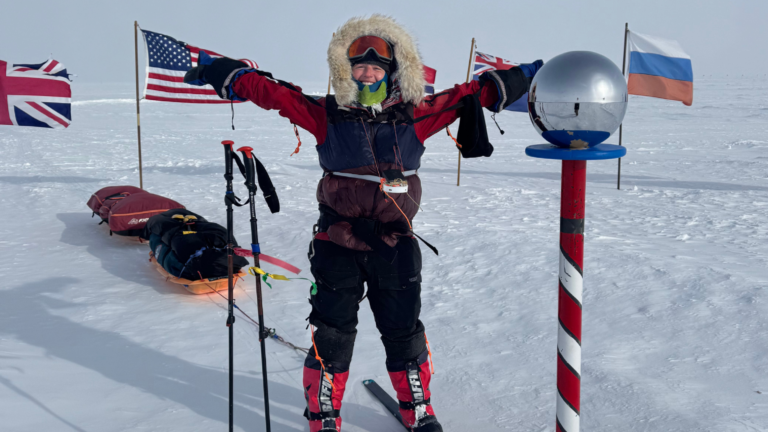
Monet Eliastam completed a 700-mile, 57-day journey across Antarctica, hauling 250 pounds of gear and sharing daily updates with followers along the way.
For nearly three years, Monet Eliastam became a familiar sight on the North Shore — dragging two Jeep tires across beaches and through woods. Now, Eliastam is known for something far more extraordinary: becoming the first American woman to ski solo and unsupported to the South Pole.
The 36-year-old reached the South Pole on Sunday, completing a grueling, 700-mile journey that began in November at Hercules Inlet. Over 57 days, Eliastam, a Massachusetts native, skied across Antarctica while hauling about 250 pounds of food and equipment behind her.
As she made her way across the ice, Eliastam documented the journey online, building a following on Instagram through daily updates.
“I wanted to be very open about the ups and downs … If you only talk about it once it’s done, it’s easy to sugarcoat,” Eliastam told Boston.com. “But for me, people have been able to follow along and [have] seen so many ups and downs.”
Eliastam described the days as long and physically demanding, with motivation not always easy to find. Skiing 10 to 15 hours each day was exhausting yet empowering, she said. On an average day, she burned around 7,000 calories while eating only about 5,000 — constantly remaining in a calorie deficit.
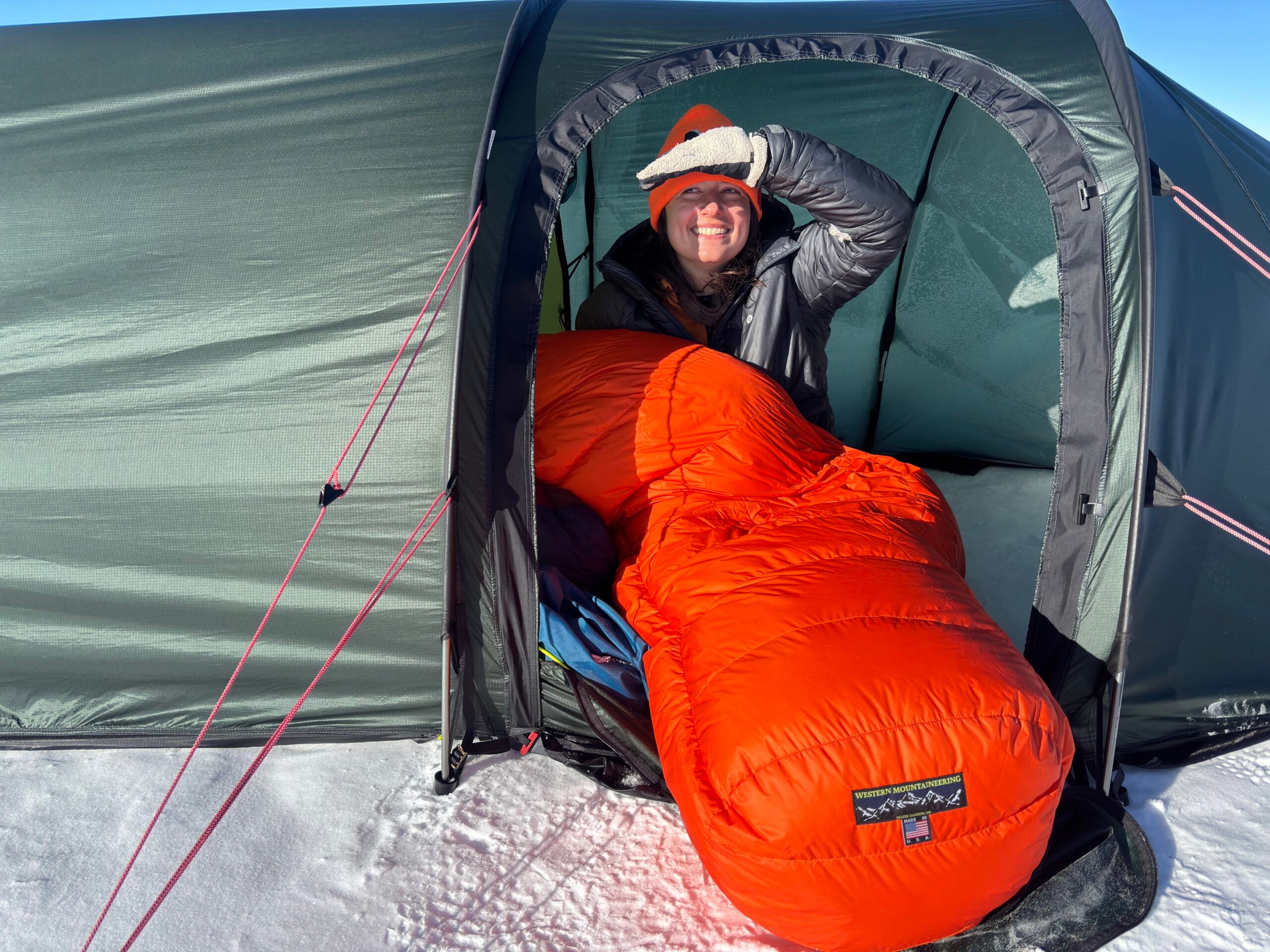
To keep herself motivated, she wrote messages on the ceiling of her tent as the first thing she saw each morning.
“I cried a lot. I had some really hard days,” Eliastam said. “I had things written inside my tent that I would read every single morning. Right above where I opened my eyes … I’d written, ‘The only way out is through, and the only way through is to keep going, so get up.’”
And when she finally reached the South Pole, Eliastam’s achievement began to resonate with others in unexpected ways. She said she has heard from followers who were inspired to challenge themselves in their own lives.
“We all have that sort of strength within us that we can tap into, and I think pushing ourselves out of our comfort zones is how we learn about the depth within us,” she said.
But the question that often follows — from others and from herself — is the same: Why?
About a decade ago, Eliastam received a strange Facebook message from someone claiming to be affiliated with the British military, she told the Boston Globe in October. The message said her great uncle’s World War II plane had been found on Mount Kenya and permission from next of kin was needed to recover any remains. Assuming it was a scam, she checked with her father, who confirmed that his uncle had gone missing while flying for the South African Air Force.
At 26, with little experience but an interest in documentary filmmaking, Eliastam asked if she could join the expedition to film, and was surprised when the military said yes. The trip was grueling: She was the only woman on the team, they were unsure of their route, and after finding the plane, they got lost and ran out of food and water. Terrifying as it was, the experience left her certain she had found what she wanted to do for the rest of her life.
“I don’t call these expeditions fun. I will never call them fun. They are really difficult,” she said. “But I find there’s so much that’s fulfilling and empowering about getting through something really, really difficult and getting to the other side of it that keeps me coming back to doing it.”
Eliastam’s goal came into focus in 2022 when she learned about Preet Chandi, the first woman of color to ski solo to the South Pole. The accomplishment sparked something in her.
“I didn’t know that was a thing you could do,” Eliastam said. “But I couldn’t stop thinking about it.”
She realized that Chandi had entered the expedition with limited experience — and that made the goal feel possible.
“As I started reading what Preet was saying about her expedition, she said she didn’t know how to ski. When she started training, she didn’t know anything about Antarctica,” Eliastam said. “And so I realized that was something that I could potentially train for.”
Eliastam’s preparation was just as demanding as the expedition itself, she said. For nearly three years, Eliastam trained five to six days per week, combining cardio, strength conditioning, and the most distinctive part of her routine: tire pulling. To simulate the weight of her sled, she wore a harness and pulled two tires for hours at a time.
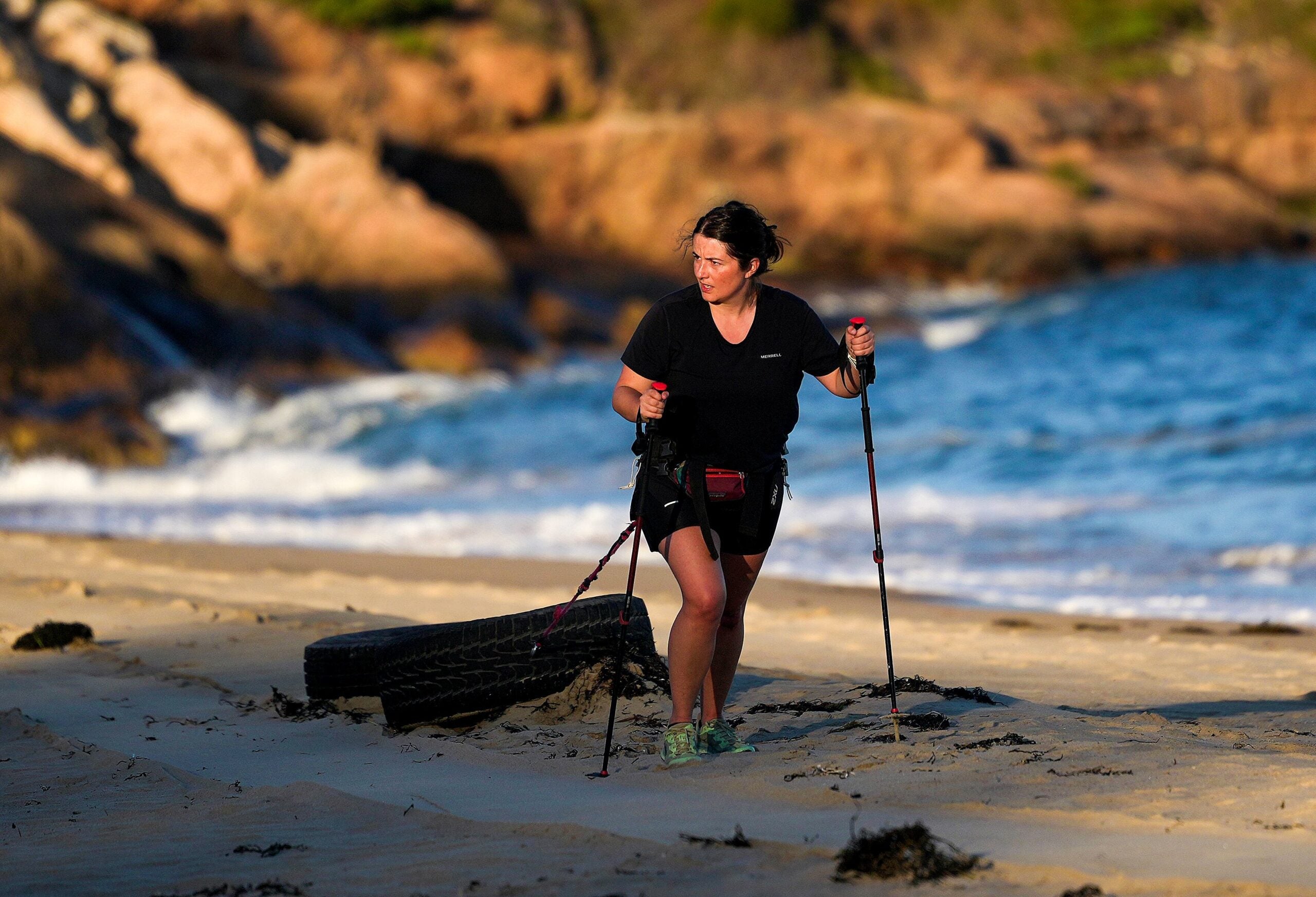
“At the beginning of the expedition, my sled was 250 pounds,” she said. “Essentially like pulling a fridge.”
To prepare for the extreme weather conditions she would face — temperatures as low as 40 degrees below zero and intense winds — Eliastam trained in Greenland with a team and completed solo expeditions in Norway and Minnesota. She learned how to manage intense cold and constantly monitor her body for signs of hypothermia.
Now standing at the end of her journey, Eliastam said she is proud not only of the accomplishment but of how she and her team made it through with her health and strength intact.
“I hope that people resonate with the story, and maybe feel a bit inspired to take on a bigger challenge in their own lives,” she said.
Sign up for the Today newsletter
Get everything you need to know to start your day, delivered right to your inbox every morning.
News,Local News#ice #Mass #native #American #woman #reach #South #Pole #solo #unsupported1769441015