Local News
The shattering loss of TJ Kimball was not an isolated incident. The construction industry has one of the highest suicide rates of any major industry in the country, second only to mining, according the CDC.
RAYNHAM, Mass. — A stack of paint buckets. Trowels nestled along the wall. A hard hat. These items remain, untouched since March 15, in Timothy J. Kimball’s backyard work shed.
It has been 10 months since Kimball, at 37, quietly walked into his Raynham, Massachusetts, bedroom on a chilly Saturday afternoon and killed himself. And it is in his work shed where his father, Timothy Kimball, lingers in his only son’s presence. “This is where he’d come out, smoke, have a cigarette — I feel him here,” the elder Kimball, 62, said, after rifling through his son’s first tool bag, from when he became an apprentice in the painters union almost 20 years ago. “I tend to talk to him here.”
The younger Kimball, whom everyone called TJ, was a drywall finisher, known as a taper, the laborer who prepares freshly hung drywall for a coat of paint. He came from three generations in the trades — his father, uncles and great-uncles were all tapers and carpenters in the Boston area.
Over 300 people, stunned by the loss, turned up for his wake.
“It’s just like a big, huge tsunami came in and wiped everything out,” said TJ Kimball’s oldest sister, Shannon Kilburn, 43.
The shattering loss of TJ Kimball was not an isolated incident. The construction industry has one of the highest suicide rates of any major industry in the country, second only to mining, according the Centers for Disease Control and Prevention. Add in drug overdoses, where construction workers die at a greater rate than workers in any other industry, and a bleak picture emerges of a population in crisis.
Construction is already among the most dangerous jobs in the country, with about 1,000 people dying each year from work-related injuries, more than any other industry. But five times as many workers, 5,100, died by suicide, and 15,900 died from drug overdoses, in 2023, according to an analysis of the most recent federal data by the Center for Construction Research and Training, an occupational safety organization. While the number of overdoses declined from 2022, from 17,000, the number of suicides remained virtually unchanged.
“The crisis affects every single job on every single job site in this country,” said Sonya Bohmann, the executive director of the Construction Industry Alliance for Suicide Prevention, a nonprofit organization. Employers and unions have expanded access to mental health support and drug treatment programs; job sites often stock Narcan, or naloxone, a drug that reverses the effect of an overdose, in first aid kits; drug testing is increasingly commonplace; and companies and unions offer suicide prevention training programs. But the crisis persists.
Construction workers are particularly vulnerable to suicide because of a collision of risk factors. Men without a college degree and veterans, two groups with high rates of suicide and of gun ownership, often work in construction. Guns are used in the majority of all suicides, and men who own handguns are nearly eight times as likely to die by gun suicide than those who do not.
Construction is hard, physical labor, often done outside in the elements and sometimes far from home.
“It’s also a very cyclical job — you can’t guarantee a 40-hour week,” said Shawn Nehiley, president of the Ironworkers District Council of New England. “You don’t know if you’re going to be laid off, if you’re going to work overtime.”
Get hurt on the job and a painkiller prescription can spiral into addiction, as it did for Nehiley, who was prescribed opioids in 2001 for an injury, leading to a relapse of an addiction that began in adolescence. “The prayers before I went to bed at night were ‘Please God, don’t let me wake up in the morning,’” said Nehiley, 62, now sober for 15 years.
In his office hang 45 prayer cards and photographs of union members who died from overdoses or suicide since 2008. “And that’s not all of them,” he said.
No occupation has a higher rate of substance abuse than construction and extraction. A substance abuse disorder, even for someone in recovery, increases suicide risk.
“There’s this high density of risk with this community,” said Craig Bryan, a clinical psychologist and the director of the University of Vermont Medical Center’s suicide care clinic.

Interviews with dozens of construction workers described a culture of widespread drinking and drug use. “There’s cocaine, there’s pills, there’s even alcohol at lunch,” said Paul Reed, a recovering addict who runs Roofers in Recovery, a Colorado nonprofit organization.
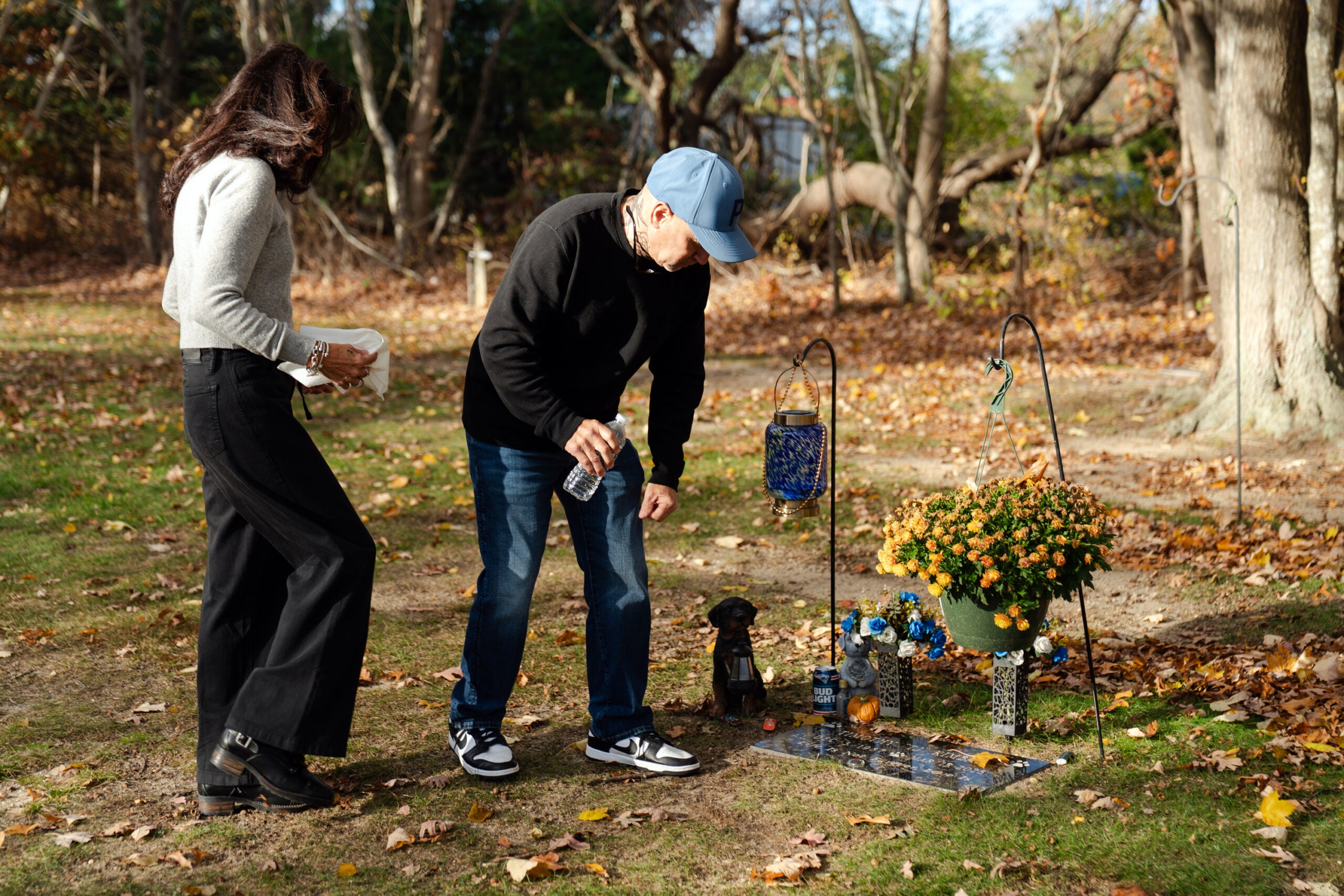
The regional chapter of Kimball’s union, the International Union of Painters and Allied Trades, does not track how many of its 4,000 members die by overdose or suicide. But its quarterly magazine memorializes members who died in the intervening months. In the spring issue, of the 28 people commemorated, four died by overdose or suicide.
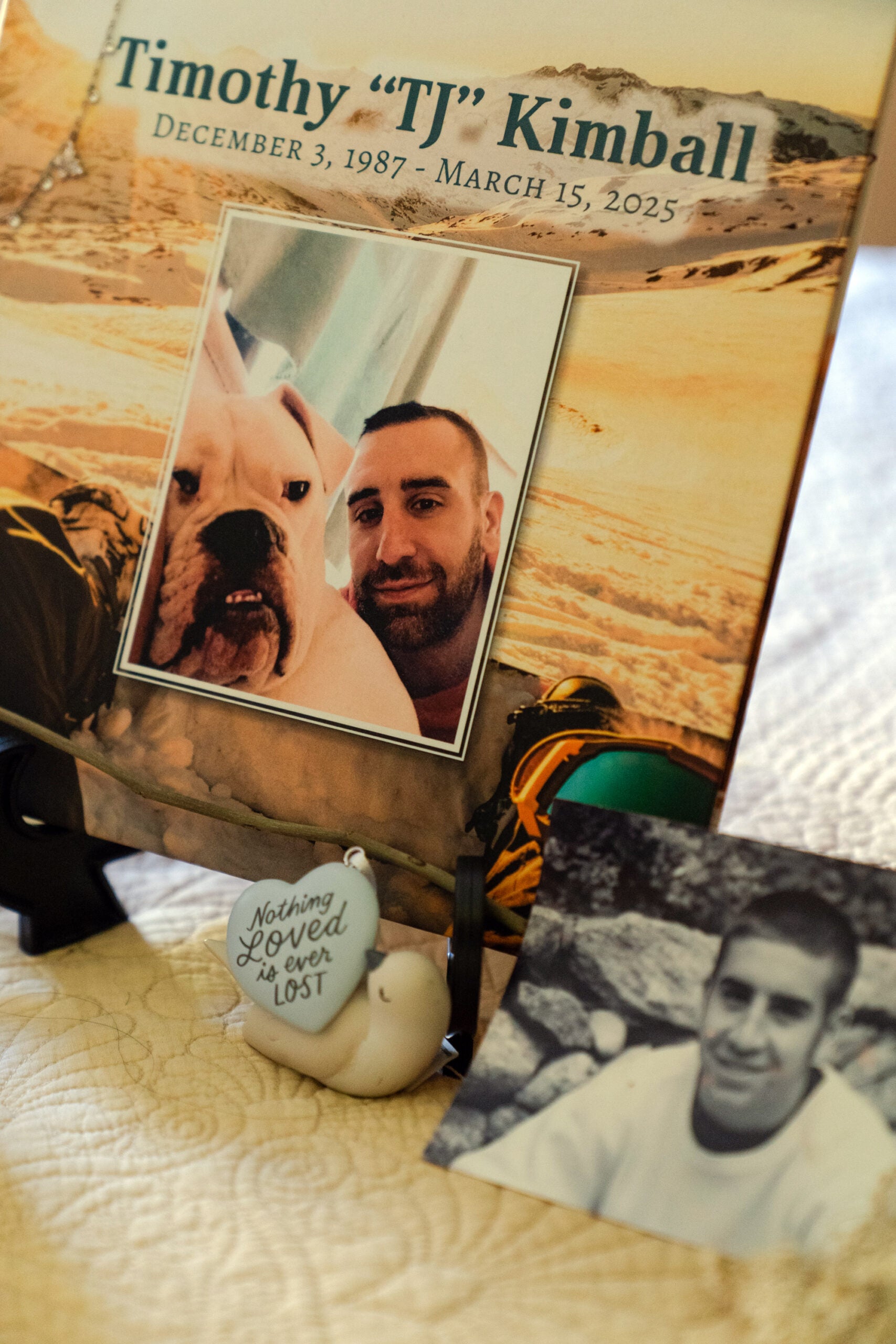
One of them was Kimball.
‘He was our boy’
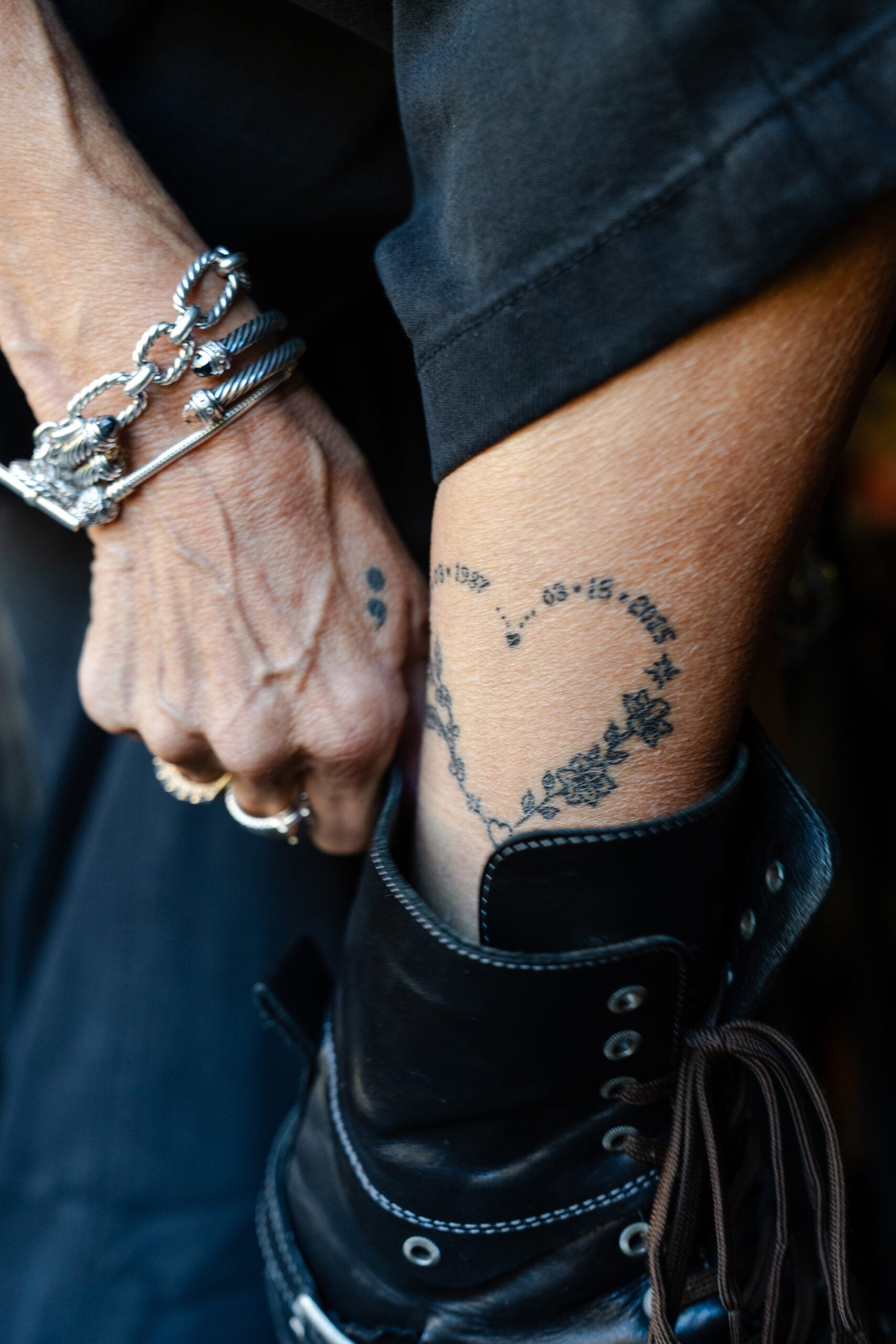
With five uncles and his father working in the trades, it was no surprise Kimball became a union apprentice at 19. “We’re just blue collar, get out, hustle, work hard,” his father said. “It was a chance for him to make something of himself.”
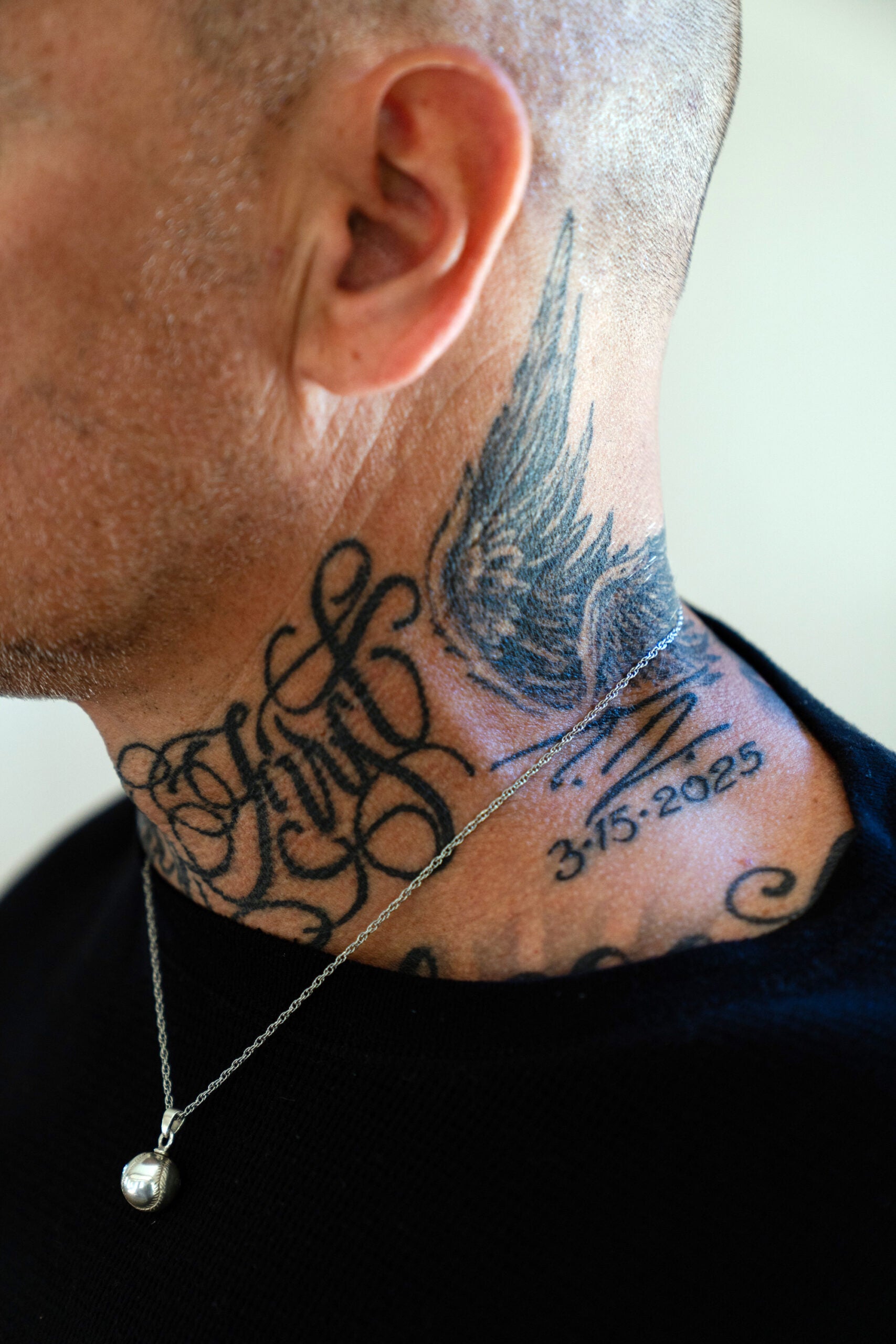
But his first few years on the job were troubled, and in the aftermath of his death, Kimball’s parents and his wife felt compelled to speak publicly to increase awareness and reduce the stigma surrounding suicide and addiction. “There’s no shame,” his father said. “He was our boy. He was our son.”
Kimball struggled with a Percocet addiction that started in high school after he broke his sternum playing football. At 23, he was arrested for drug possession and distribution, but avoided a felony conviction “with a very expensive lawyer,” his father said. His mother, Angela Kimball, forced him, through the court system, into a drug-treatment program. He got clean, but spent the rest of his life on Suboxone, a maintenance drug for opioid addiction.
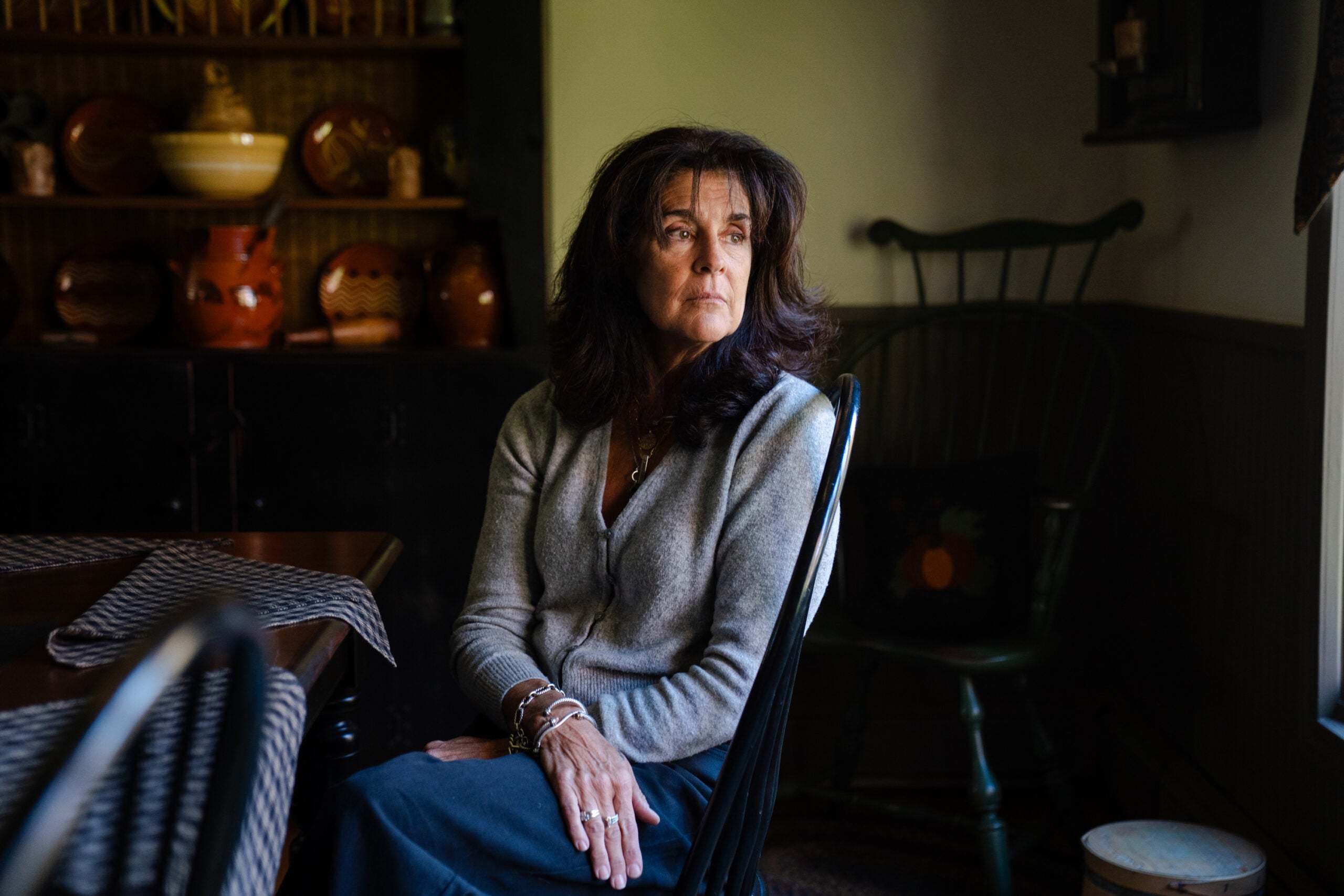
By his late 20s, Kimball, a perfectionist, had gained a reputation as a reliable, fastidious worker, and a good foreman who could motivate a crew. He was considered among the best tapers in the area, someone who used traditional methods to lay the tape and spread the mud along the seams of the drywall, leaving the surface so flat and flawless that a wall could almost vanish behind a coat of paint.
But his days were long, often starting at 4:30 a.m. The pandemic building boom, and the slowdown that followed, added to the pressure and the gnawing sense that at any moment work could dry up.
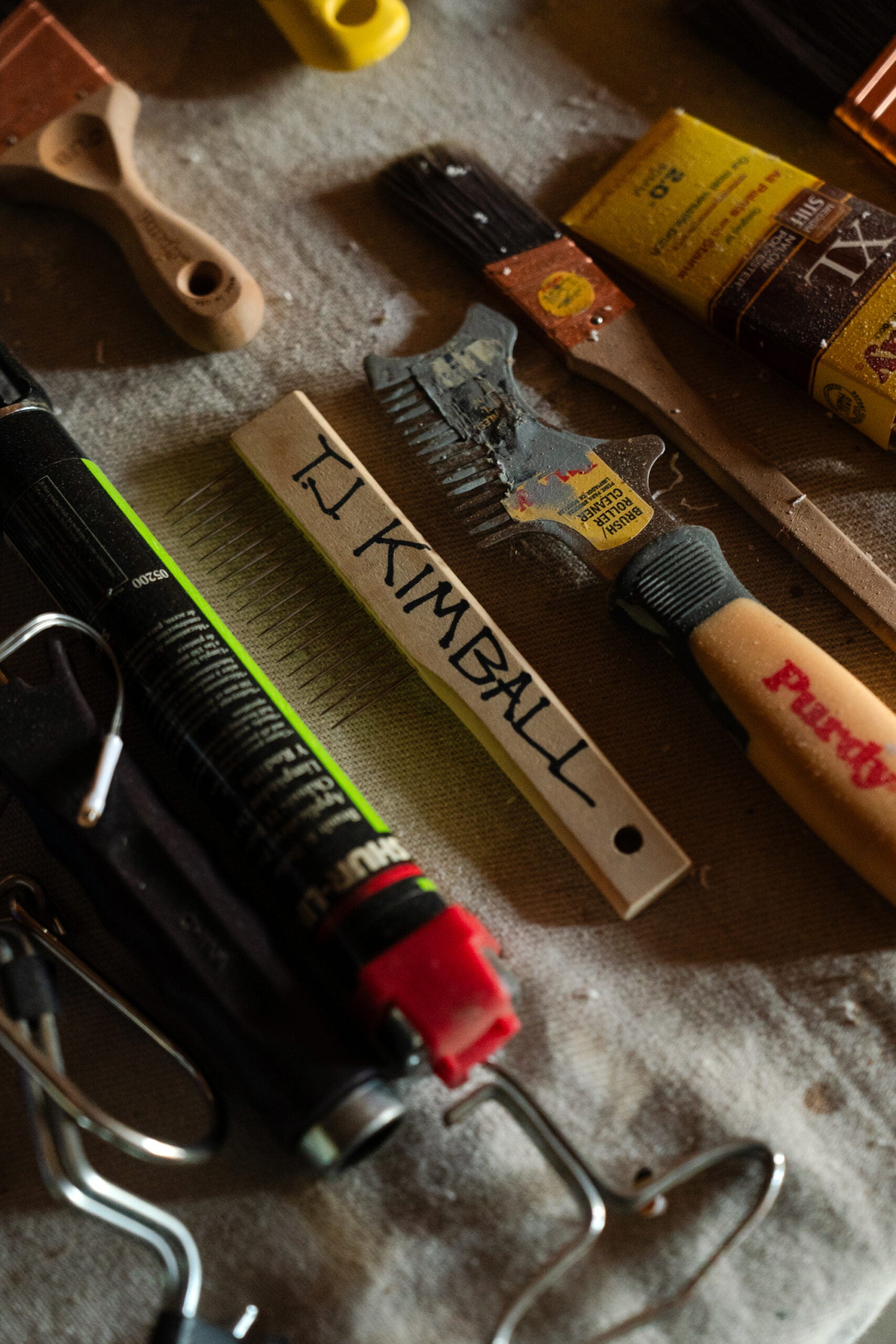
“Everybody’s under the gun. Everybody’s under stress,” said Ryan Barry, 36, who worked with Kimball on his last job, at a Google office in Cambridge. “When you walk on the job site the first day, you’re already in the red and everybody’s yelling that you got to go 100 miles an hour to get these jobs done. And you just use and abuse your body.”
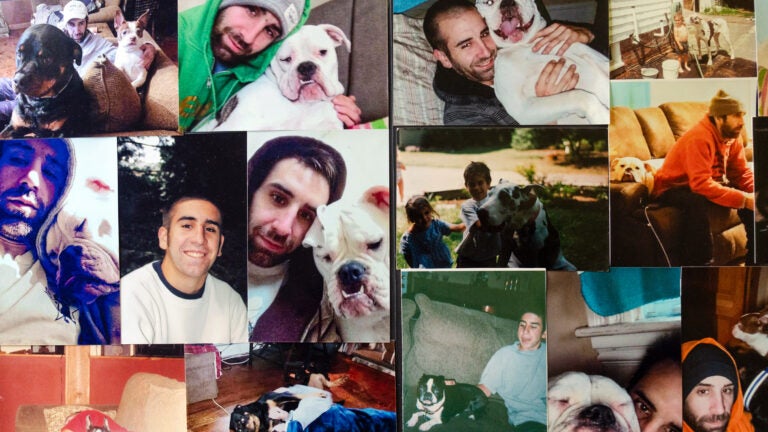
While the life of a construction worker can sometimes be described as lonely and isolated, Kimball’s was not. He dated the same woman, Ashley Kimball, who he’d known since high school, for 15 years before they married, 11 days before his death. The only son in a family with three daughters, he regularly checked in with his parents and was the boisterous uncle who helped his nieces and nephews learn to hit a ball. He played paintball with his high school buddies and was a loyal member of a fantasy football league.
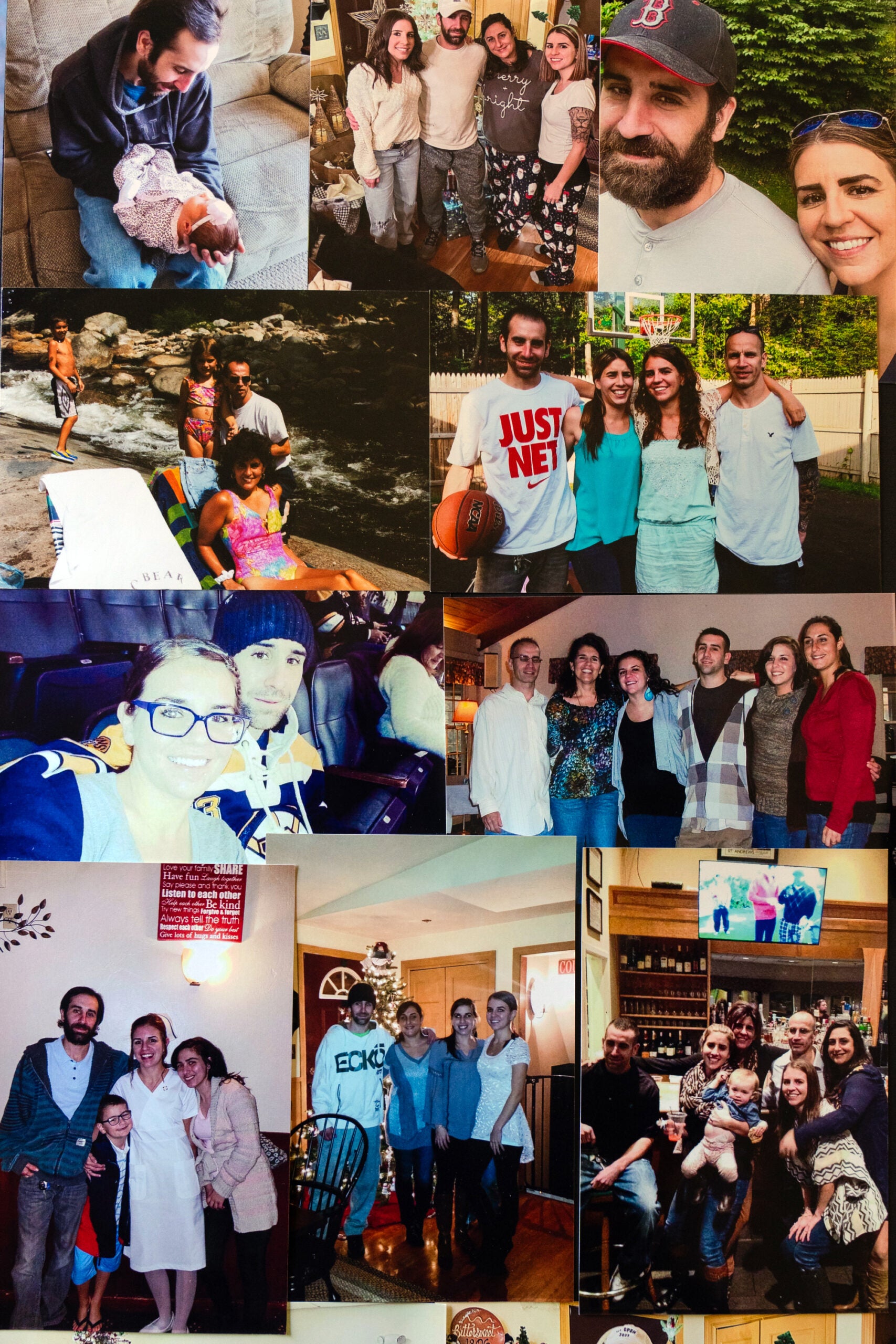
Kimball left no note, and no one interviewed for this story thought that he might be suicidal. Experts point to a mosaic of risk factors, with warning signs that can be difficult to spot. Interviews with friends, family and co-workers revealed Kimball’s last few months as a challenging time. One sister was battling cancer, another filed for divorce from Kimball’s best friend. In June 2024, Kimball and his girlfriend bought a house, which added new financial strain.
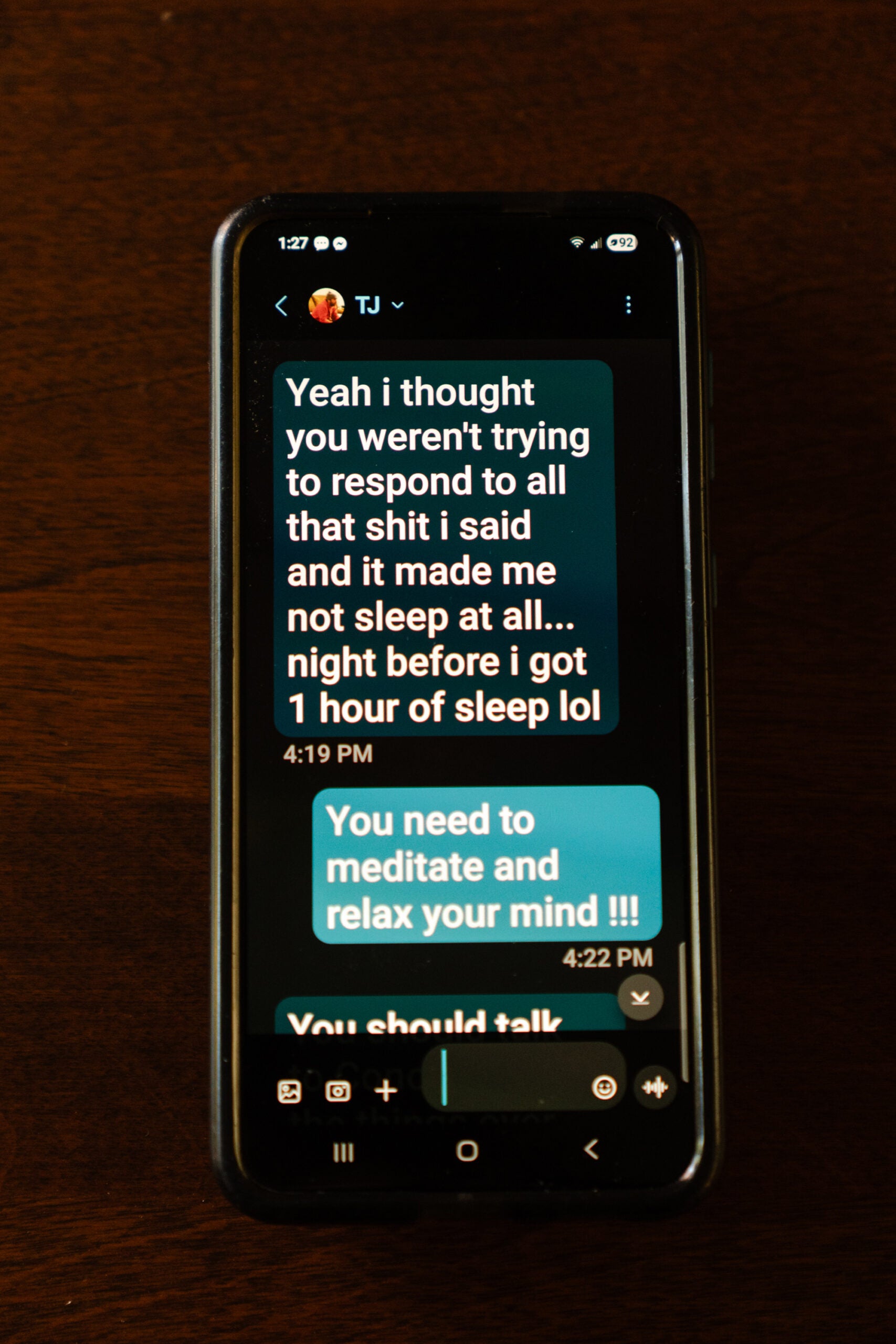
Kimball picked up overtime and overnight shifts. In text messages to his mother, he spoke about a delirious exhaustion, with days where he only slept a single hour.
“Nights are terrible, they’re just terrible,” said Roger Audet, 64, a retired taper who worked with Kimball and his father over the years. “You’re angry a lot, you’re stressed out a lot, you’re exhausted a lot.”
Night shifts also meant leaving Ashley Kimball, 36, who works at a dry cleaner, alone all night in a house secluded on an acre of land.
Ashley Kimball bought a pistol for safety, which the couple kept loaded by the bedside table.
In the weeks before his death, Kimball seemed unmoored and, at times, paranoid. He thought someone in the office building where he was working was watching him and his mother.
On March 4, Kimball married his longtime girlfriend, ending years of procrastination, and ahead of his upcoming hernia surgery, when he might need her as a medical proxy. “We just went to the courthouse and everything was fine,” said Ashley Kimball, adding that she did not notice worrisome mood or behavioral changes.
A few days later, at a family dinner intended to celebrate, he was so agitated that his mother called him later that night. They spoke for two and a half hours. “He was trying to keep his head above water,” said Angela Kimball, 61, a bartender. “He was trying to stay here, but something was pulling him down.”
At work, he was uncharacteristically withdrawn and distant. “He was really off,” Barry said. “He wasn’t really his typical self.”

The morning of his death, Kimball called his supervisor at New England Finish Systems, Richard Foux, and told him he wanted to take the weekend off. To Foux, 41, the conversation seemed ordinary. “If I had known there was any sign I would have gone straight to his house,” he said. Ashley Kimball was happy that her husband, who frequently worked Saturdays, had prioritized time with family instead.
Kimball visited his grandmother in the morning. He came home, ate an Italian sub at the kitchen counter, and called his father to finalize Sunday dinner plans. He and his wife added all their nieces’ and nephews’ birthdays to a calendar.
Ashley Kimball stepped outside to smoke a cigarette. Kimball let the dog out with her.
An absent foreman
At the job site on Monday morning, another taper was filling in as foreman for Kimball. Other workers were confused, uneasy about Kimball’s absence. On a coffee break, Barry scrolled through Facebook, pausing on an cryptic post from Kimball’s father. As social media feeds filled with photos of Kimball and messages commemorating him, the mood collapsed.
There was no representative from the company or Kimball’s union to make an immediate announcement.
“We waited until the family made an announcement,” Foux said. “We respected their privacy.”
A union representative contacted individual members directly to see if they needed support.
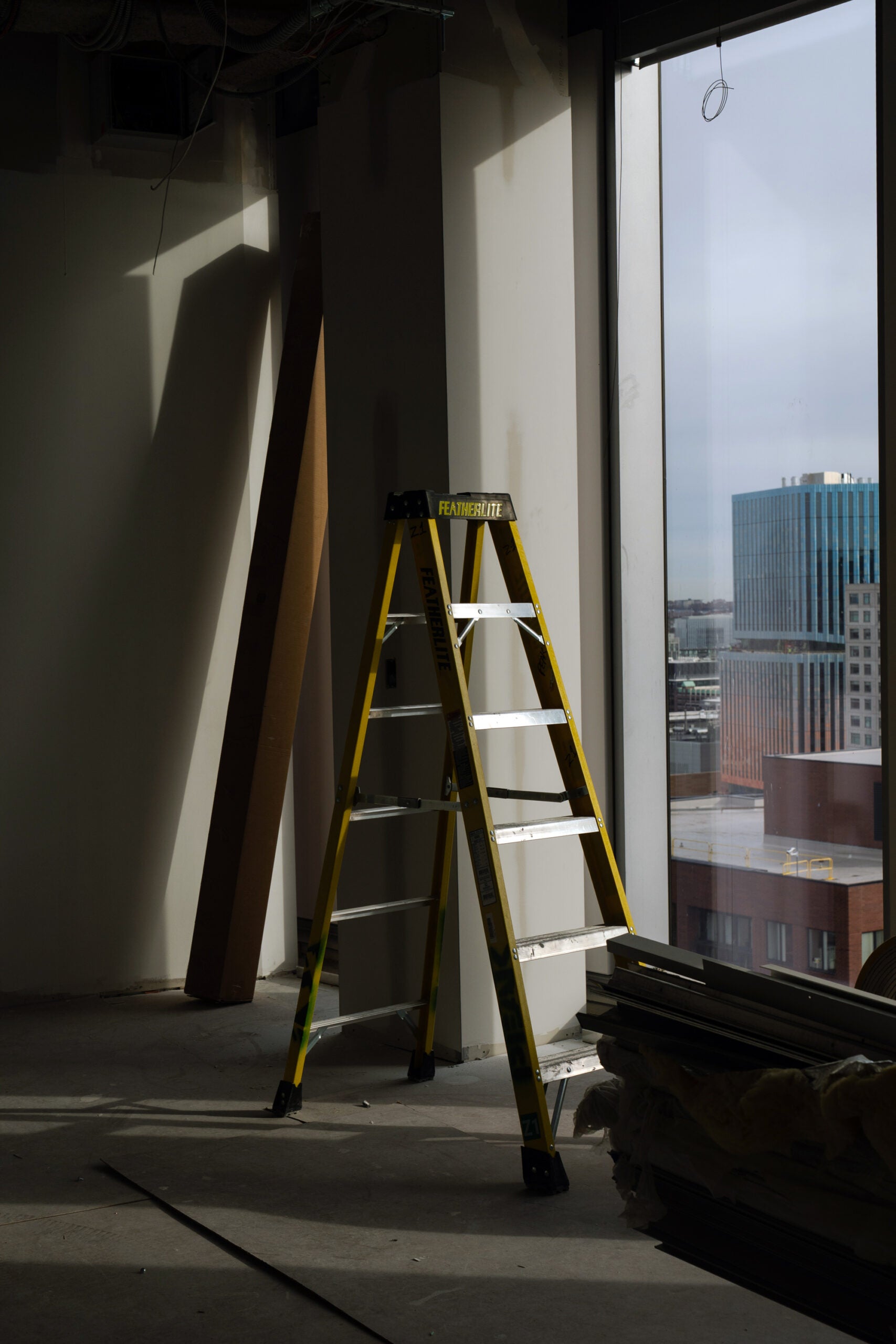
The crew, focused on a pressing deadline, continued to tape. No one considered leaving. “Jesus no, you had to stay, it’s a cutthroat business,” said Barry.
At the end of the week, Barry collected Kimball’s black and red tool bag to bring home to his family. It is still sitting on the floor of Kimball’s work shed, his hard hat resting atop it.
If you are having thoughts of suicide, call or text 988 to reach the 988 Suicide and Crisis Lifeline or go to SpeakingOfSuicide.com/resources for a list of additional resources.
This article originally appeared in The New York Times.
Extra News Alerts
Get breaking updates as they happen.
News,Health,Local News,Massachusetts News,Opioid Crisis#Mass #construction #workers #suicide #highlights #wider #crisis1767972431