Luxury Homes
High-end real estate features offer a glimpse into the lifestyle people are willing to pay a premium price for.

Boston Virtual Imaging
The definition of luxury real estate has moved beyond simple square footage to a concept Oprah Winfrey has said is one of the greatest gifts we can give ourselves: time.
Today’s high-net-worth buyers are bypassing the sprawling, high-maintenance estates of the past in favor of turnkey sanctuaries that offer immediate gratification and multi-generational autonomy. From “invisible” kitchens that hide the mess to the resurgence of private pools, the new wish list is driven by a desire for homes that problem solve rather than just project status.
Here are some of the top emerging trends in the luxury market, according to real estate professionals.
Turnkey is king
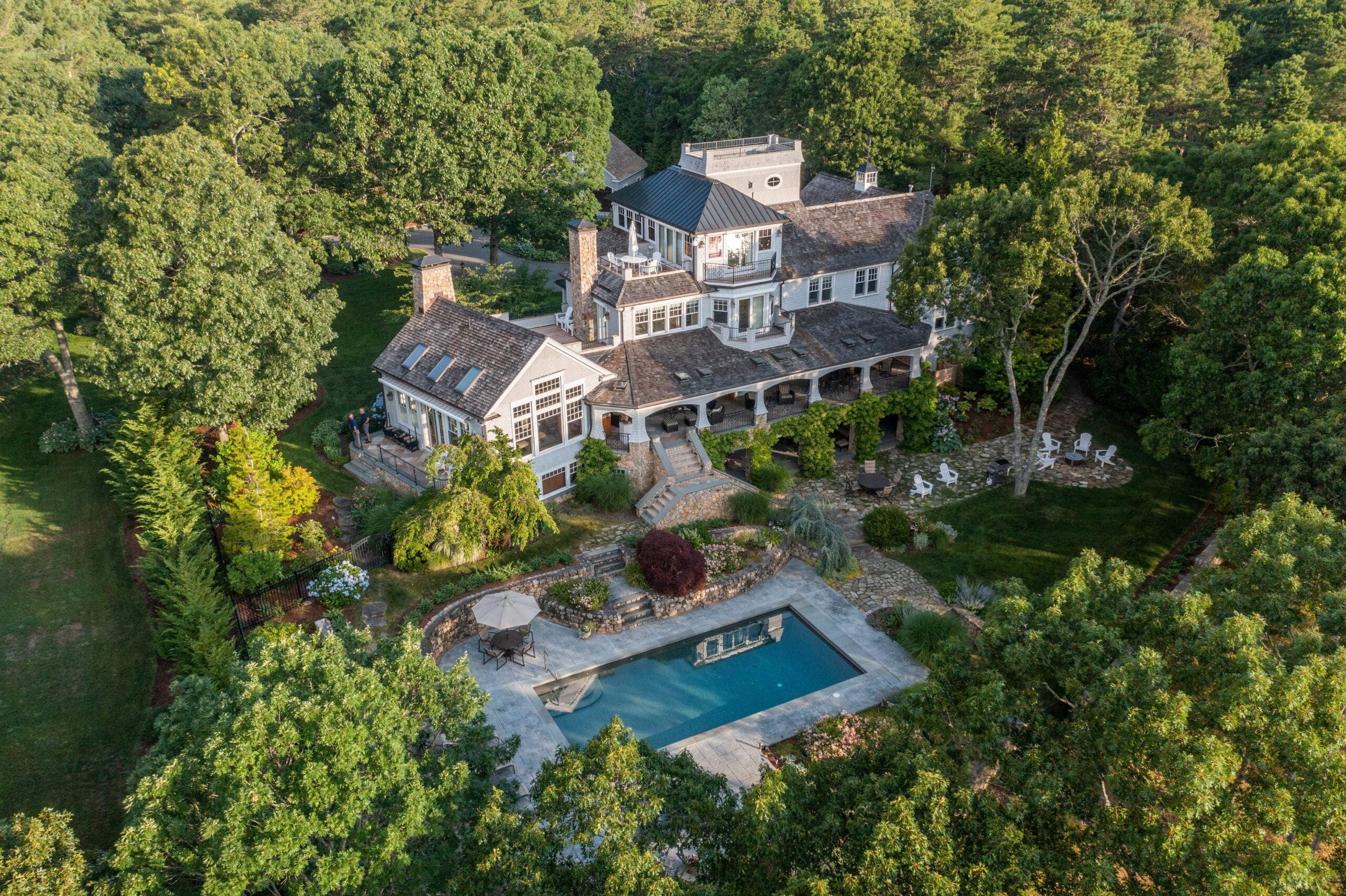
Patience is increasingly crucial in real estate. With high-end contractor shortages extending major renovation timelines, affluent buyers are no longer looking for potential; they are paying a premium for immediate gratification. The old adage of “buy the worst house on the best block” has been flipped.
“Time is the most valuable asset to a luxury buyer right now,” said Paul Grover, co-founder and principal broker of Berkshire Hathaway HomeServices Robert Paul Properties.
“A turnkey house at an inferior location to one that’s a diamond in the rough sometimes can go for more money because there’s such a premium attached to the fact that the work is done. In the luxury market, a renovation or build could be a two-year project. So, for a lot of people, if there’s something turnkey that they could buy right now versus waiting, they go with that option.”
Multi-generation solutions
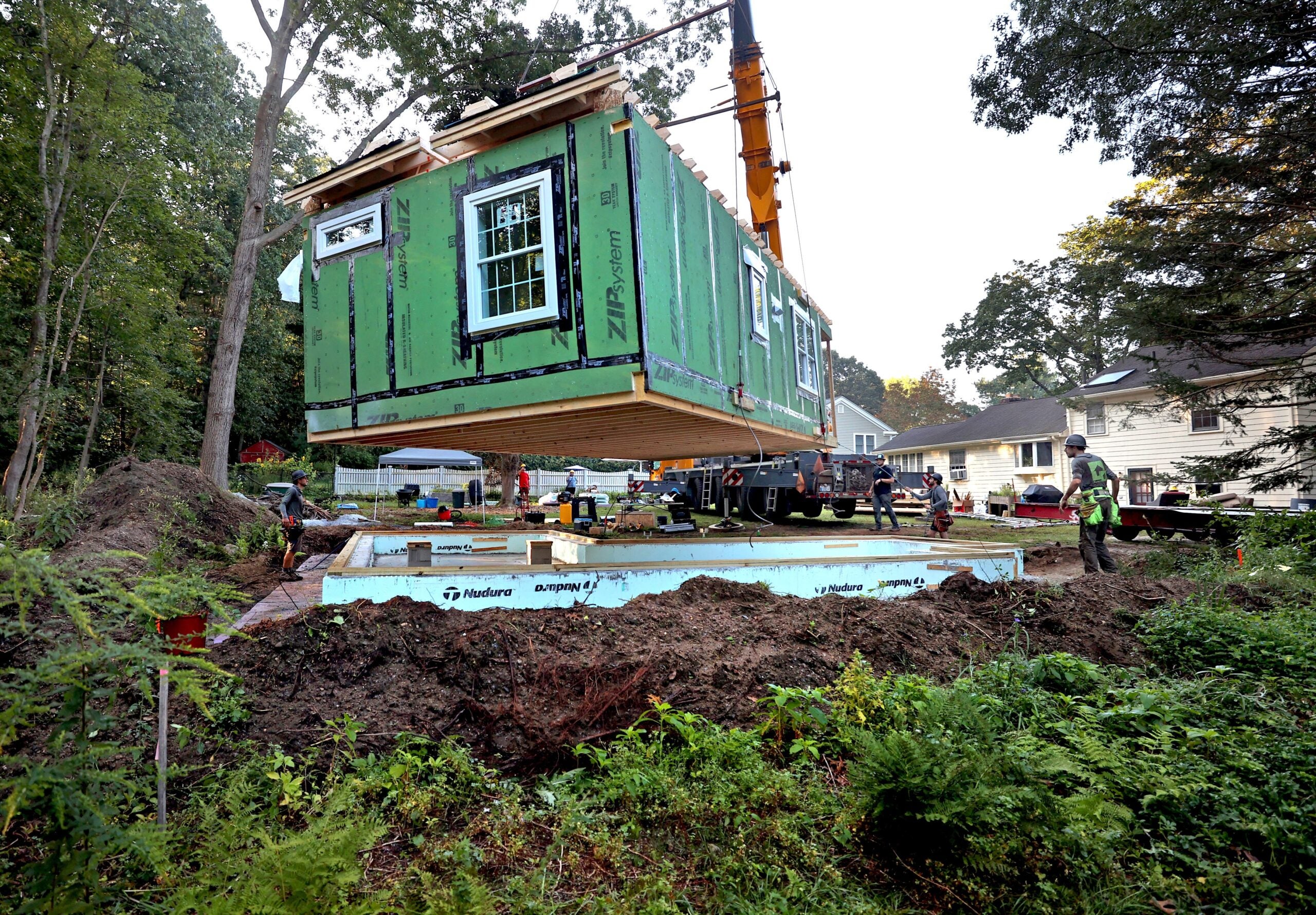
The nuclear family home is evolving into the multi-generational compound. Whether its aging parents moving in or adult children returning with their own families, luxury buyers are demanding autonomy within proximity. This is reshaping floor plans, driving a surge in accessory dwelling units, or ADUs, and dual-primary suites that allow extended family to live together without sacrificing independence.
“The ADU is a major trend for homeowners looking to house guests or staff privately,” said Maggie Gold Seelig, founder of MGS Group Real Estate in Boston. “We are seeing this even on large lots where a separate guest house might not be permitted; the ADU is the solution. I’m currently seeing builders in Weston strategically connect these units to the main residence, offering the ultimate flexibility.”
“While it was traditional in our high-end market that you always needed a first-floor primary suite, we are seeing younger, affluent luxury buyers requiring the primary [suite] on the second floor because they want to be closer to smaller children,” added Grover. “In those cases, the first-floor primary gets used as an in-law or guest suite. We’re seeing a lot of that just because of the aging of the population.”
– Boston Virtual Imaging
Water and wellness
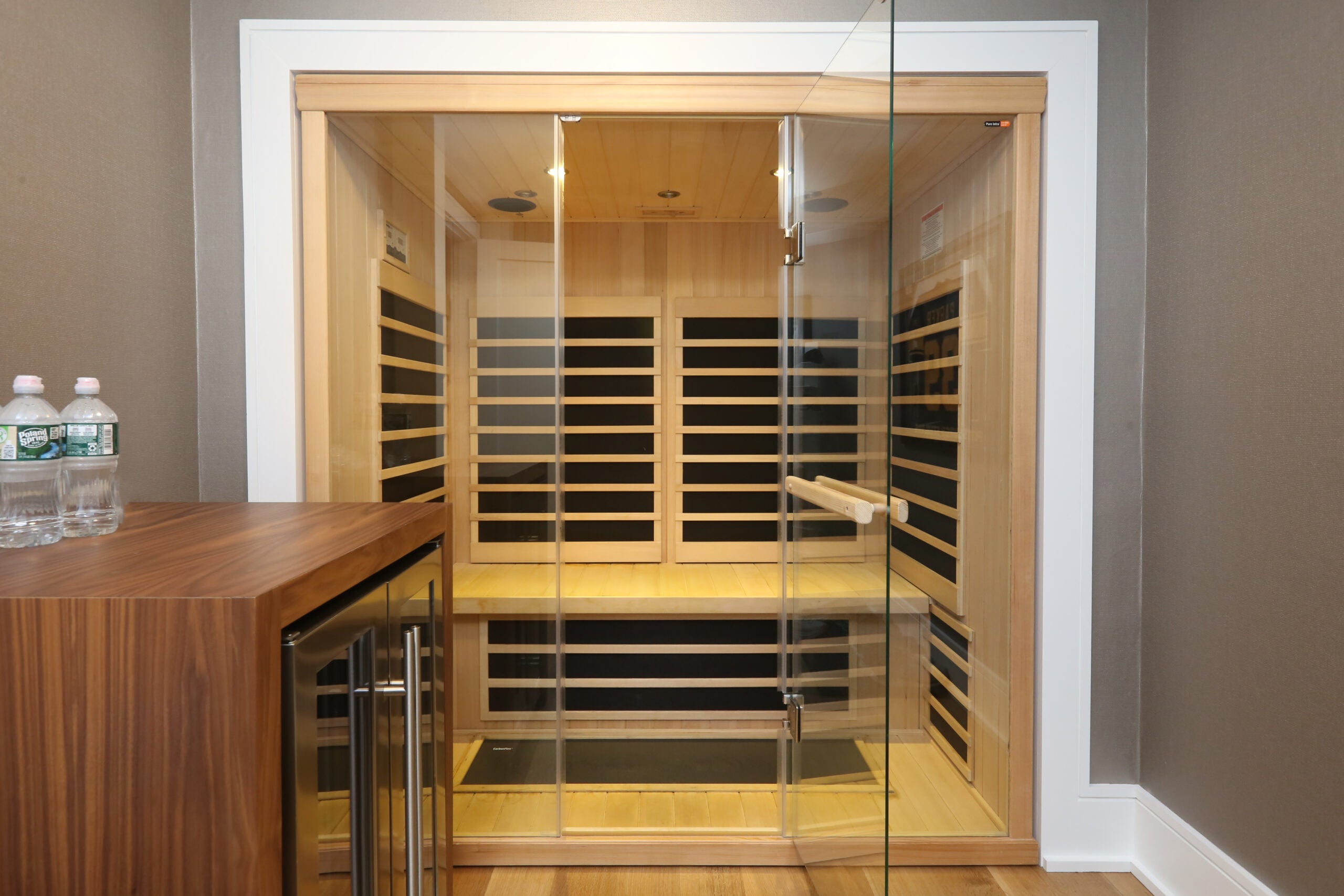
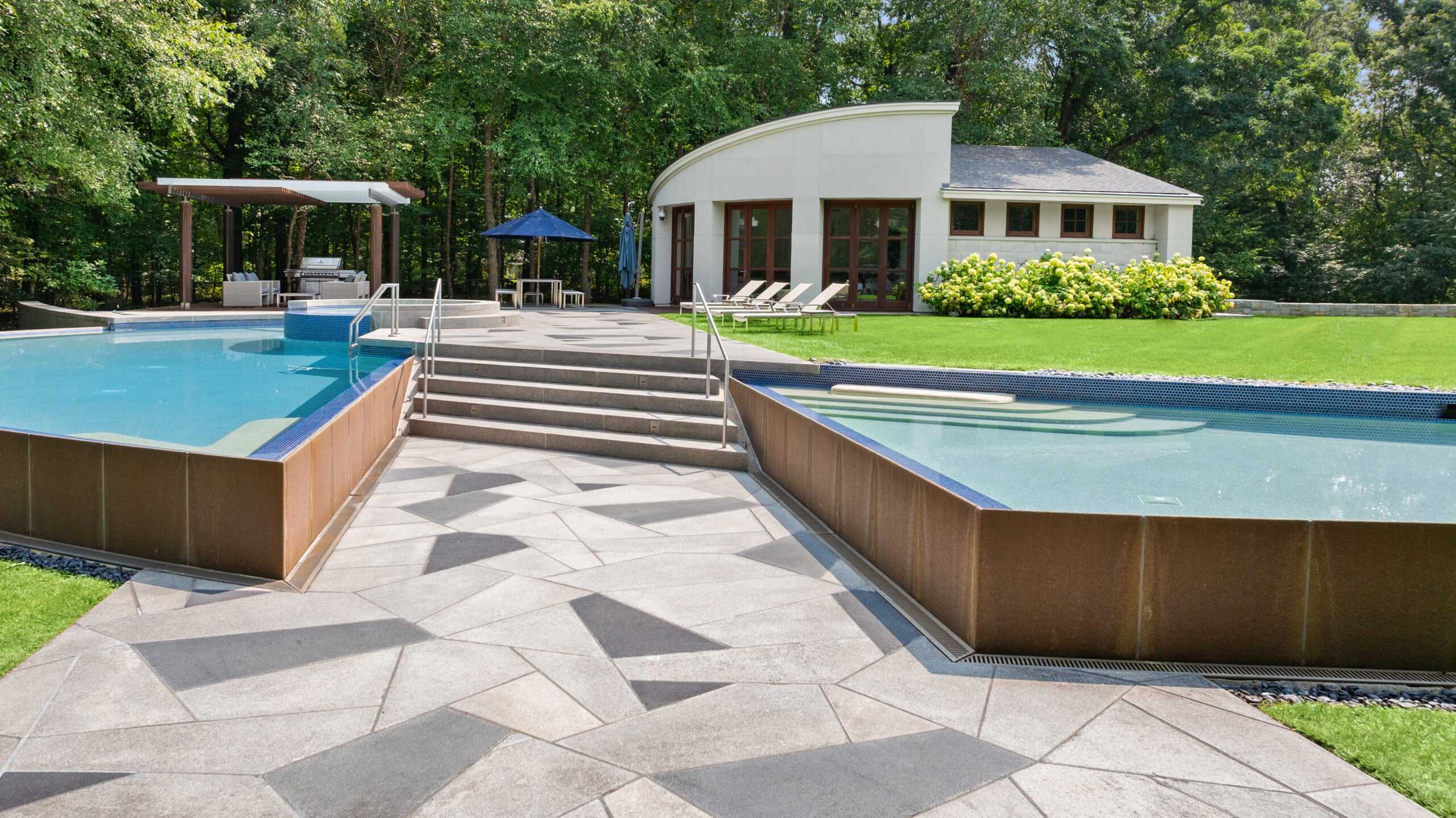
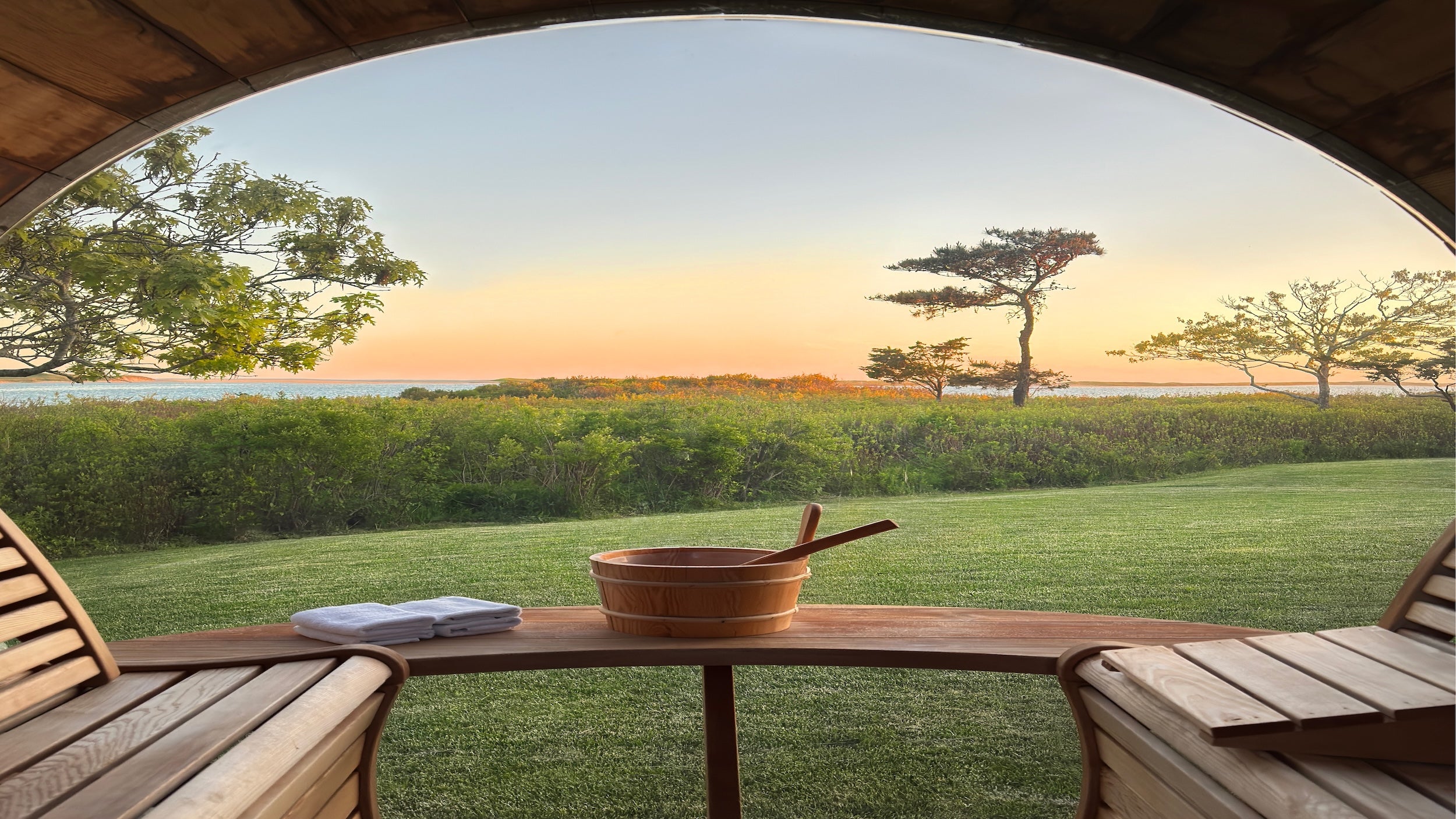
Wellness has moved from the commercial spa to the private residence. What started as a pandemic hobby has cemented itself as a lifestyle requirement — even in city dwellings — with cold plunges, infrared saunas, and saltwater pools becoming standard fixtures in high-end listings.
“The sauna and cold plunge duo have officially arrived in the city,” Seelig said. “We are seeing these wellness amenities, which used to be phenomena reserved for large suburban estates or vacation homes, becoming a staple in Boston proper residences.”
On the coast, this trend is driven by a unique dual motivator: the desire for an ocean view paired with the safety of a private pool, fueled by changing local ecosystems — shark-free splash time, if you will.
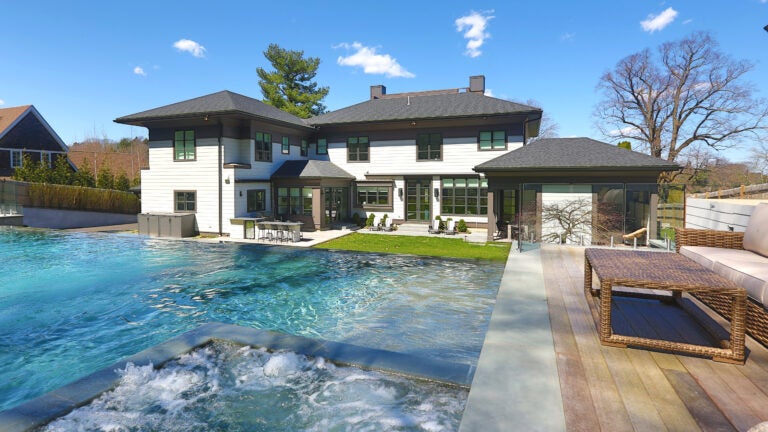
“There was definitely a time here when a pool could have been looked at as a negative, but it has changed,” Grover added. “A lot of times people like it as an area for socializing. Even if they’re not actually swimming in the pool, they may be sitting by the pool having a glass of wine or cocktails. It is almost part of the landscape feature.”
Connected seclusion
The lockdown era of the early 2020s is thankfully over. While privacy remains non-negotiable for high-net-worth individuals, isolation is out. The modern buyer wants to be hidden from the street but connected to the community. This privacy-without-loneliness paradox is driving demand for estates that offer deep setbacks and gated driveways while remaining within walking distance of town centers, coffee shops, and social hubs.
“Privacy and seclusion are still highly valued,” Grover said. “But [these buyers are] not necessarily looking for isolation. It’s not such a bad thing to see a neighbor’s light in the distance. But walkability is very real. There are buyers who will say, ‘We’re flexible on which town we buy in, as long as we can walk to a nice downtown.’”
The ‘invisible’ kitchen
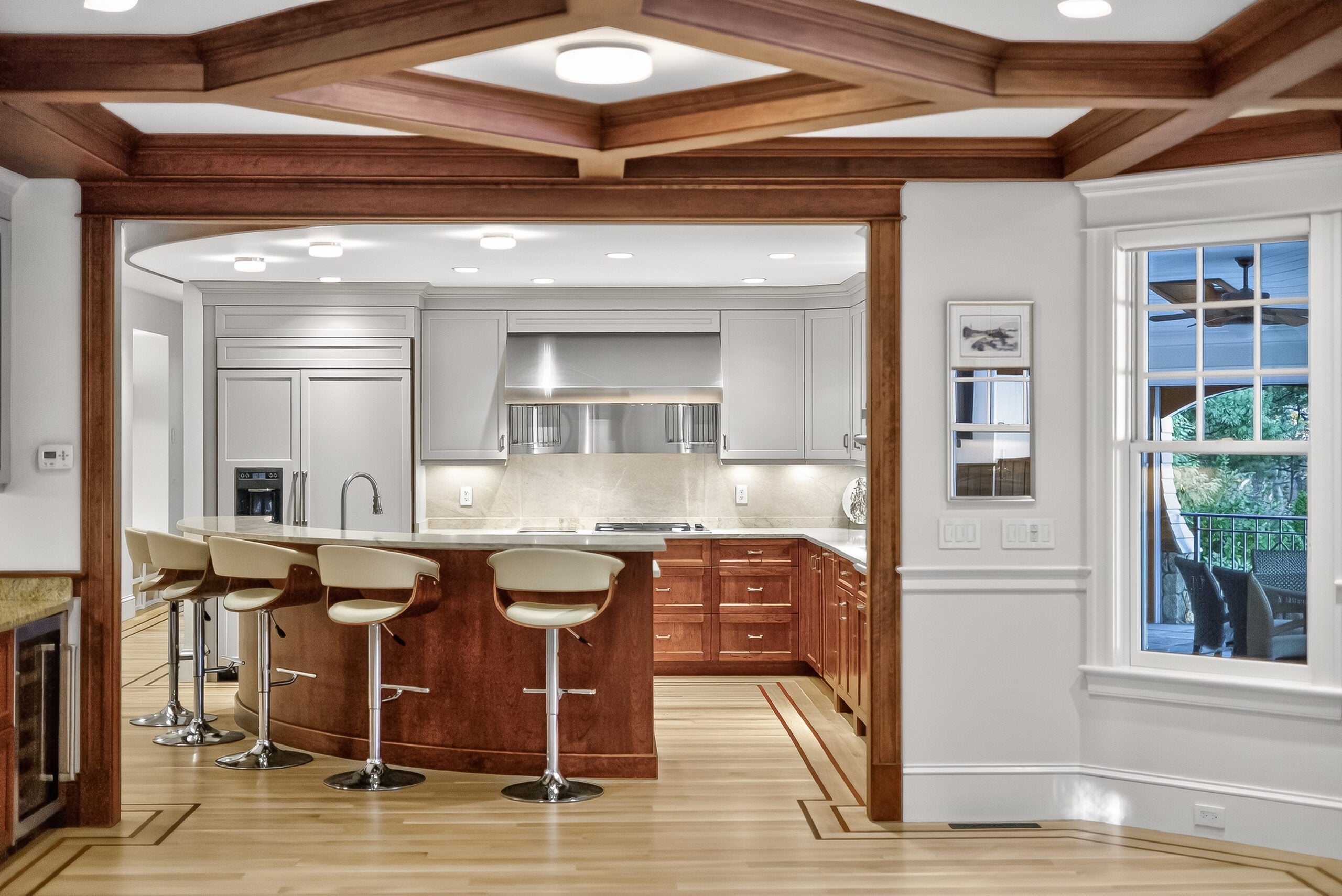
As the kitchen solidifies its status as the new living room, the mess of cooking has become a visual liability (your discarded pasta bowl is throwing the Instagram-perfect vibes of the AGA Range Cooker). Open-concept living remains popular, but it has birthed a new requirement: the chef’s kitchen or scullery. This secondary prep space allows the main kitchen, the one with the marble island and designer lighting, to remain pristine for entertaining, while the real work happens behind closed doors.
“We are seeing a rise in chef’s kitchens — even though the vast majority of buyers don’t actually have chefs,” Seelig said. “People love the idea of the mess not being seen in the main kitchen, which is so often open concept and visible from the family room.”
Quality over quantity
The era of the 15,000-square-foot mega-mansion being the pinnacle of homebuilding is waning. In its place is a demand for “jewel box” luxury — homes with smaller, more manageable footprints but significantly higher distinctiveness and finish quality. Buyers are trading square footage for craftsmanship, preferring a perfectly executed 6,000-square-foot home over a cavernous estate that feels empty and impersonal. “We are seeing a trend in terms of square footage, maybe not quite as large as we would have seen a decade ago,” Grover said.
Address Newsletter
Our weekly digest on buying, selling, and design, with expert advice and insider neighborhood knowledge.
Real Estate,Luxury Homes#Invisible #kitchens #cold #plunges #luxury #home #buyers #Boston #area1769114737