Renting
The MSPCA launched a new campaign called Action for Pet-Inclusive Housing, which includes advocacy for two bills now under consideration by the Massachusetts Legislature.

A week after the breakup of a Baltimore dog-fighting ring, Cal, a pit bull-type, arrived at the shelter. At 37 pounds, he was emaciated, and open sores marred his skin.
Carlie Hruban, who had been fostering cats through the shelter, decided to take Cal in — eventually adopting him. Cal grew into a healthy, smiley 75-pound dog. Hruban faced no friction: her Baltimore landlord, who would sometimes visit with gifts for the rescue crew, offered a lease that allowed “up to five — or more — pets.”

But when graduate school in Boston called, Hruban found the rental market here less hospitable.
“It was truly a nightmare trying to find a place,” she said.
Of the small slice of apartments that accepted pets, fewer accepted dogs, and even fewer accepted pit bulls. Over the course of three months, Hruban eventually hired a broker, which cost her $4,000. She paid an additional $4,000 to secure a lease a month before she would arrive in Massachusetts.
Pit bulls, in particular, have a reputation for being aggressive or dangerous, and some municipalities have even outlawed them in the past. As of 2012, dogs may not be banned based on breed in Massachusetts; the “dangerous dog law” provides guidelines for what deems a dog of any breed “dangerous.” But landlords may set their own rules for their properties.

It’s common for renters in Massachusetts — already squeezed by low supply and high prices — to struggle finding pet-friendly units. More find themselves boxed out of homeownership, with first-time home buyer rates at an all-time low. Renting with pets forces some to choose between a roof over their head and keeping their animal companions.
The Massachusetts Society for the Prevention of Cruelty to Animals (MSPCA) said that choice is crowding their shelters, with more than a third of their occupancy now due to housing issues. They’ve launched a new campaign called Action for Pet-Inclusive Housing, which includes advocacy for two bills — S.1022/H. 1559 (An Act to maintain stable housing for families with pets) and H. 1476 (An Act to codify pet-friendly elderly housing policies and ensure pet parity across housing authorities), now under consideration by the Massachusetts Legislature. The bills would eliminate breed-specific bans in public housing and condominium bylaws, add pet-friendly emergency shelter terms, remove breed bans from insurance policies, cap pet fees, and support elderly pet owners.
According to intake interviews, more than 3,000 animals arrived at the MSPCA due to housing pressures in 2½ years prior to May 2025, estimated MSPCA’s housing policy specialist Jamie Blackburn.
“These are otherwise animals that would have a home — and loving owners that want to keep them — but are being forced to choose between their own housing stability and being able to keep their beloved pets,” she said.
That support has cost the agency more than $1 million in that timeframe, diverting resources away from high-kill shelter rescue and aiding after disasters, she added.
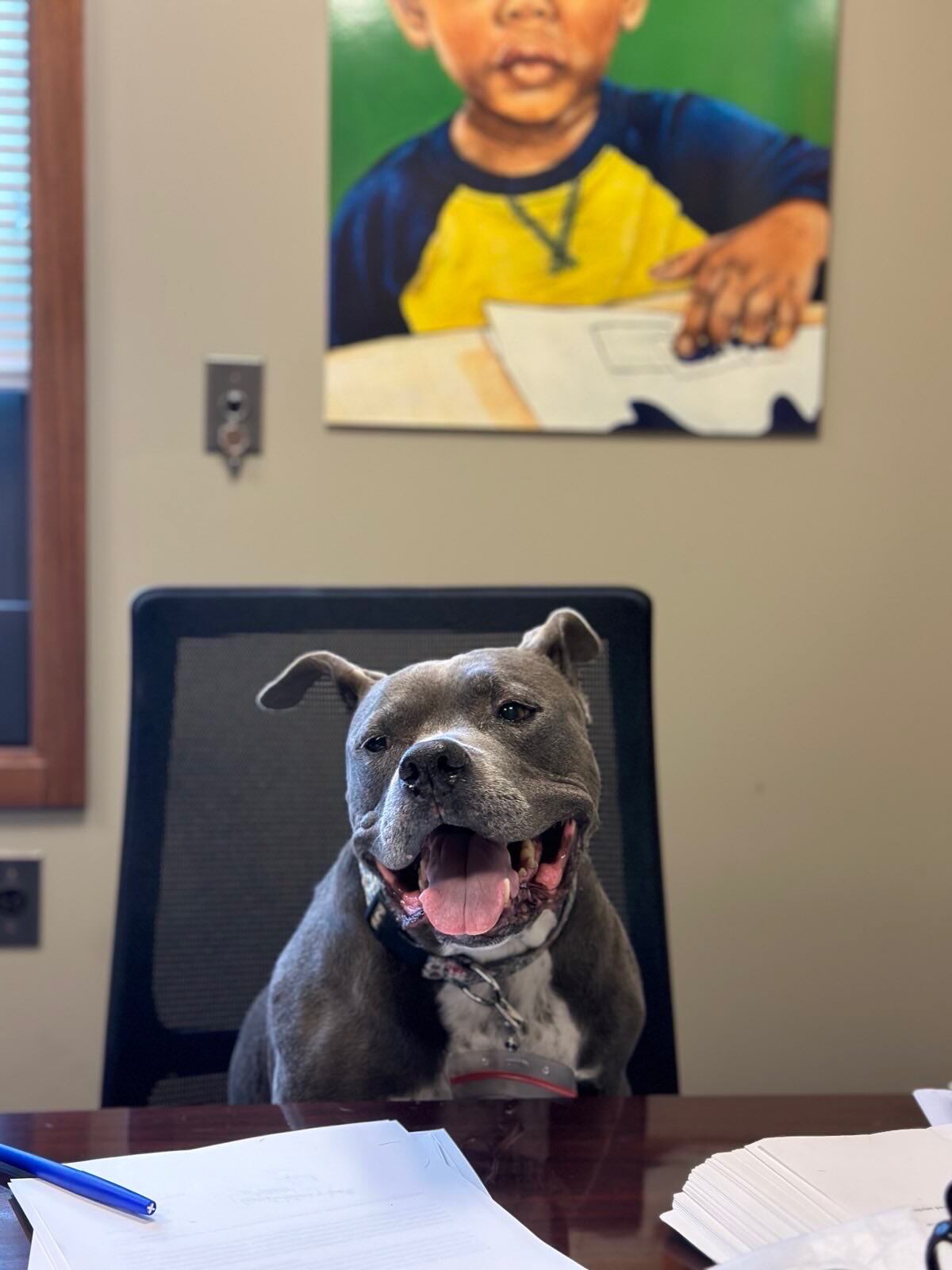
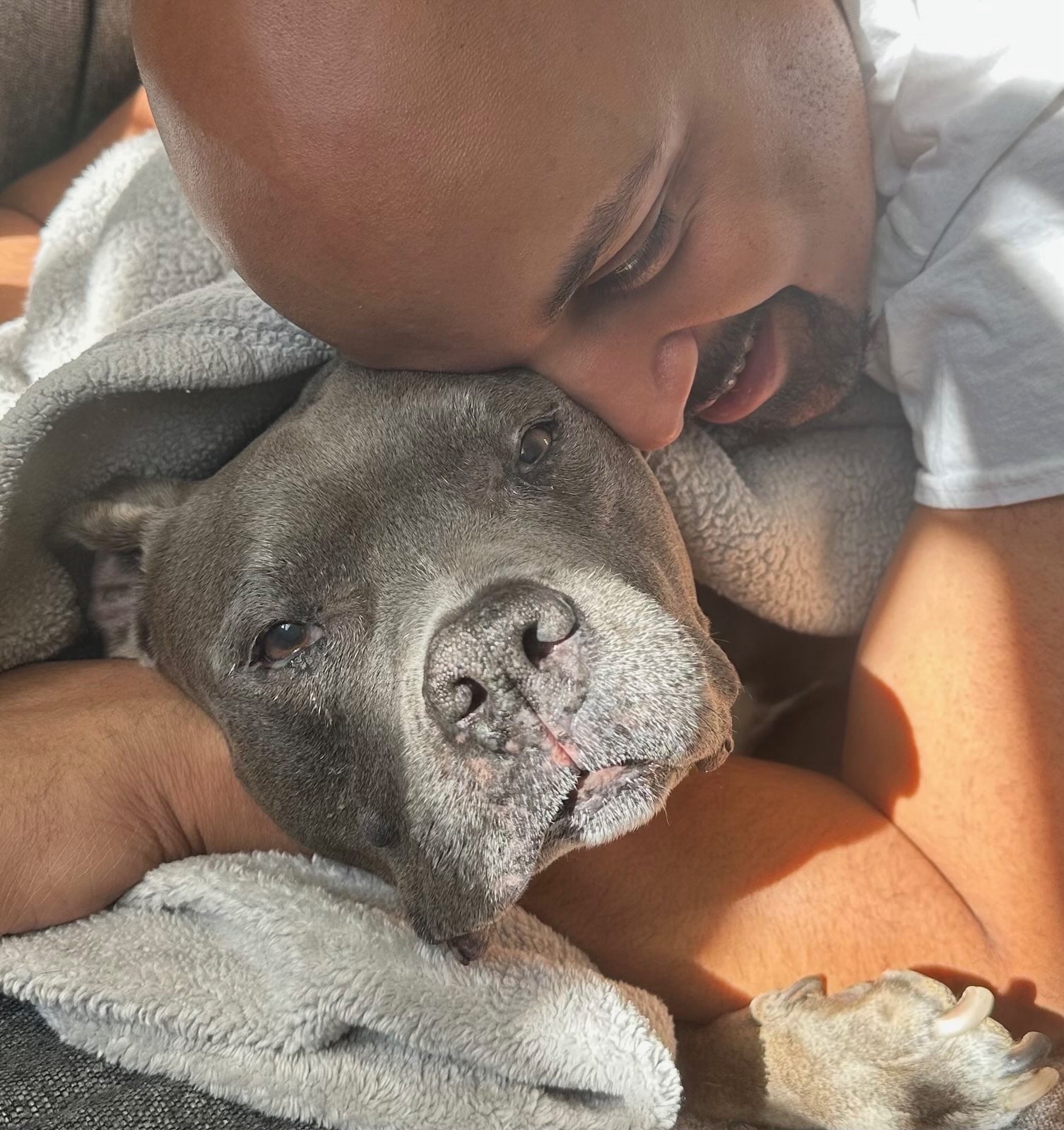
State Senator Pavel Payano (D-Lawrence), a bill sponsor, said he personally struggled to secure rental housing with his beloved pit bull Teja, who died last spring.
“Until you have a pet, you don’t understand that they’re not just like property,” he said. “They’re essentially a member of your family.”
Blackburn said 37 percent of Massachusetts rentals purport to be pet-friendly, but that could mean a goldfish; that figure drops to as low as 7 percent for truly “pet-inclusive.”
On apartment search website BostonPads, 2,260 rentals became 1,221 when filtering for “pet-friendly.” Specifying “dog-friendly” dropped results to 90 options.
Tracy Strauss, a Cambridge-based teacher and dog owner, said a lack of options has made her feel stuck in a building where she said crime has made her feel unsafe.
“… I’ll get, let’s say, 20 hits, and then under preferences, I put “dog friendly,” and they’ll go down to one or zero,” she said.
“I was completely stunned to see how difficult it was to find housing,” said Max Rousseau, who searched after selling his Quincy home last year. “Over the summer, I got rejected from apartment after apartment.”
Though units were listed as pet-friendly, Rousseau said, “the minute that they saw that I had two medium-sized dogs, they wouldn’t even show me the place.” Others asked for dog DNA tests, which have been shown to be unreliable tools for determining breed.
“It definitely has eliminated many options that I’ve wanted, which has been a bummer,” said Jamie Sharken, of Somerville. She said her 80-pound dog, Ozzy, a registered Emotional Support Animal (ESA), gives her purpose.

“You have to get out of bed and take it to get fresh air and exercise, and love and feed someone,” she said.
Gustavo Teo owns two dogs, including one Emotional Support Animal. “My dog saved my life, and I can’t be without her,” he said. He experienced homelessness after losing his apartment, facing a gauntlet of rejections and prohibitively expensive pet rent asks.
“I’d rather live under a bridge before I get rid of my dog,” he said. Teo now rents from a family member.
For those with registered ESAs — which are not classified as pets by the Massachusetts Attorney General’s office — screenings may still provide opportunities for animal-based discrimination, the office cautions in its guidelines. The organization Mass Landlords reminds property owners that pet rent cannot be charged to ESA-holders.
“Pet rent,” added as a monthly surcharge, strains renters further. The bill language would cap fees, not to “cumulatively exceed 1 percent of the first full month’s rent.” It cannot be charged as an upfront fee: only first and last month’s rent, security deposit, and a lock replacement charge are legal move-in charges in Massachusetts. Additional deposits are not allowed.
For some landlords, fears of damage and costly insurance premiums stand in the way, yet for others, being pet-friendly is an advantage.
Douglas Quattroci, Mass Landlords executive director, called the bills “junk,” saying they rob landlords of enforcement power.
“The amount of damage that can be done by the psychologically distressed animal of a neglectful owner is almost beyond measure,” he said via email.
“There is nothing in either bill to prevent neglectful owners [from] having animals or to help neglectful owners move their animals to a place where they can be properly cared for,” he wrote.
Quattroci recalled renting to a tenant whose cat destroyed the apartment’s millwork.
Matthew Martino has owned a pet-friendly triple-decker in Somerville since 2016, where he lives, and said he has two rules for resident pets: “They have to be well behaved and clean,” he said.
Only one of seven dogs caused damage, he said. The owner opted to rehome the dog.
Marleigh Norton, who owns a two-unit West Medford building where she lives, said allowing pets maintains longer-lasting tenants.
“To my thinking, there’s so few rentals that allow large dogs that such tenants would be motivated to be cooperative and stay a long time,” she said.
When Johanna Schulman and Donna Turley advertise for rare available units at 202 Highland Ave. in Somerville, the 22-unit building they purchased in 2004, the ads feature a dog’s photo.
“We don’t have any of this bully breed crap, and we actually think smaller dogs are usually noisier than larger dogs, so we don’t really understand why people have the size limit,” said Schulman.
“We see no correlation between an apartment left in poor condition and whether or not that person had a pet,” she added.
“Alison,” a Somerville resident who asked that her real name not be used, called off her search after being asked to pay an upfront $350 pet fee, as well as upwards of $150 monthly extra for having a pet.
Since March, she has chosen to live in her car rather than give up her dog.
“I’ll be honest, I’ve had the thought, but I just can’t,” she said. “We were bonded before, but now, it’s a connection that I’ve never experienced with a pet in my life.”
Alison continues to operate her client-facing business, showering at a local gym.
“I’m surviving, but I’m planning on leaving the state because I just can’t go through winter in my car,” she said.
In addition to legislation, campaign organizers hope to foster dialogue with housing authorities about how to foster pet-friendlier terms, such as by the MSPCA providing spay/neuter and vaccination clinics.
The need for pet-friendly units is growing, and the market needs to respond, said Blackburn.
“If I’m spending $3,000 a month on a one-bedroom … I think I should be able to bring my labradoodle,” she said.
Address Newsletter
Our weekly digest on buying, selling, and design, with expert advice and insider neighborhood knowledge.
Real Estate,Renting#Nightmare #find #place #campaign #seeks #pet #discrimination #Mass #rentals1767961032