
The Boston Globe
In Downtown Crossing, a budget gym membership at Planet Fitness will cost you $15 a month. For something a little more upscale, your nearest option is the Avery Street Equinox, where monthly dues are well over $200.
At first glance, it’s a wide range of options. But the mid-budget choice, the New York Sports Club on Franklin Street, has been shuttered since last year.
While bargain gyms and luxury health clubs abound in downtown Boston, gym-goers are finding that the middle tier is thinning out. Once a common sight, those mid-range options — with monthly memberships under $100, offering manageable crowds and comfortable amenities while forgoing the frills of luxury clubs — are disappearing.
Now, fitness offerings for the middle class seem more limited than ever.
Rami Esrawi, 29, attends the New York Sports Club on Boylston Street, one of the few remaining in the city. For a dental student’s budget, it’s affordable enough. But the experience, he said, has been undermined by seemingly constant headaches and inconveniences: towel shortages, locker doors falling apart, saunas inoperable for months at a time.
In one sense, it’s a reflection of the fortunes of New York Sports Club, which operated as Boston Sports Clubs until its parent company went bankrupt in 2020 amid a flurry of legal troubles. Since then, the company has shrunk its footprint from more than 30 gyms in New England to only three.
Esrawi said there aren’t many options to go elsewhere.
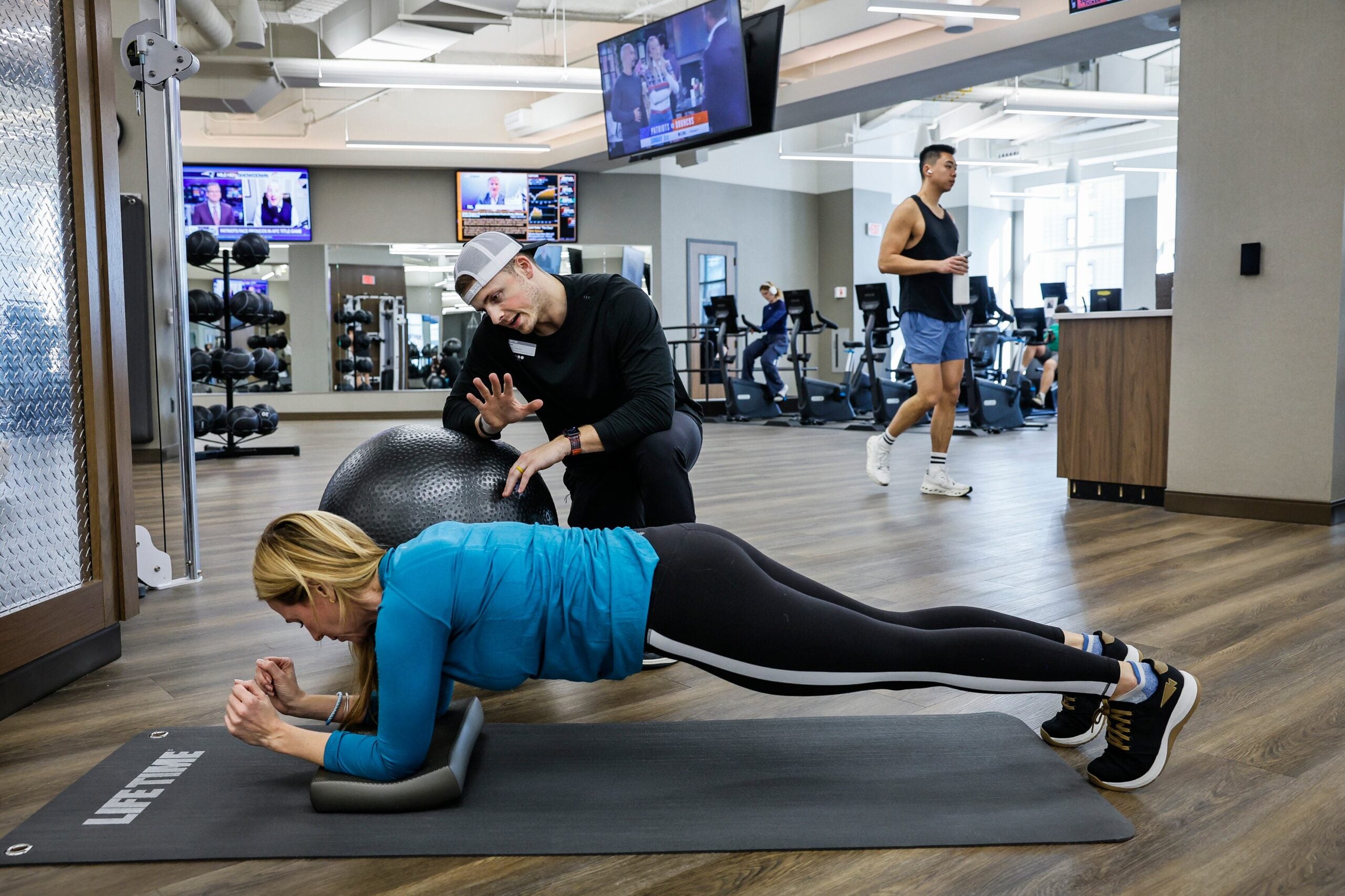
“I don’t need a personal trainer, I don’t need a ton of workout classes,” Esrawi said. ”I‘m looking for something that’s under $100, that has the amenities I like, and that has a good crowd.”
“I feel like Boston lacks that,” he added.
Esrawi is not alone. Increasingly, many gym-goers are having to choose between cheap budget gyms they don’t want, or paying a premium for boutique amenities they don’t need. Those who can afford to pay more are upgrading, and those who can’t are pivoting to budget options.
Joshua Bold, 22, gets access to classes, towels, a sauna, steam room, pool, and sports courts at luxury Equinox Sports Club, where memberships start around $200 monthly, though he noted he doesn’t regularly use all these facilities. Comfort and cleanliness are where he gets value — all things he felt were lacking at his last gym, which cost $50 to $55 a month.
“I’d rather overpay and be comfortable than cheap out and dread going,” Bold said, adding that he’s “paying for the things I don’t want to deal with.”
Mid-budget gyms are disappearing in Boston as low-cost and high-end chains grow
New York Sports Club spokesperson Kari Saitowitz said that while the pandemic may feel like “ancient history,” it was an inflection point for NYSC and many other Boston gyms. For one thing, weakened attendance made it harder to justify expensive rents, such as for the Downtown Crossing location that closed in May.
“You can’t easily just contract your square footage when membership softens,” she said.
A former Boston Sports Club in the South End underwent a similar transformation. Now a SoWa Health + Wellness, its memberships are $190 per month. Meanwhile, other BSC locations have been supplanted by low-budget alternatives, with New Hampshire-based Planet Fitness filling one in Back Bay and another in Central Square, and Crunch Fitness ($9-$19 per month) taking over spaces in Allston and Dorchester.
Other gyms with similar offerings and price ranges, such as the sprawling Boston Athletic Club in South Boston, have also closed. The YMCA still operates 10 mid-priced locations in the city, though some locations tend to draw large crowds at peak hours. Aside from those, alternatives are few and far between.

Esrawi said his priorities are twofold: affordability and accessibility. But cheaper options, he said, are often too crowded at peak times for his taste. And for someone who’s still in school, more expensive options are out of the question.
It’s part of a national trend, according to financial analysis firm William Blair: The mid-tier has lost market share to “high-volume, low-price” options, the Planet Fitnesses and Crunches of the world.
“There’s almost a premium brand expectation on a mid-price gym because they are seen as a full-service gym,” Saitowitz said. “Clean locker rooms, good hours, great equipment, a strong staff, knowledgeable trainers.”
Oftentimes, she said, low-budget gyms don’t carry those same expectations, while premium players charge higher fees to help cover those expenses.
At the same time, many younger gym-goers are choosing to shell out more money for premium gyms and boutique fitness studios, while spending remains strong among Millennials and older patrons.

Though some luxury clubs don’t have a strong footprint in New England as a whole, they are highly concentrated within the city. Equinox, one of the most visible brands in the premium fitness world, operates four of its five Massachusetts locations in Boston; the fifth is in Newton’s Chestnut Hill.
Life Time, another luxury fitness outfit, costs $349 a month for its amenities, which include a cold plunge, red light recovery, and two floors of workout equipment at a former Boston Sports Club in the Prudential Center mall.
“It is a higher price point initially when you look at it,” said Kyle Hollander, the club’s general manager. “But if you’re coming consistently every day, you get a lot more than what you would [anywhere else].”
Sam Batchelder, a 24-year-old South End native, said his Life Time membership is his highest monthly expense. But as an online fitness coach and daily gym-goer, the value is more than worth it.
“It’s my new country club,” Batchelder said.
Batchelder, Bold, and other luxury gym-goers who spoke to the Globe said socializing and community were main drivers in their decision to join a higher-end club. That much is backed up by a recent report by industry firm Les Mills, which found that “experience and ambiance” are core drivers of attendance for younger fitness enthusiasts.
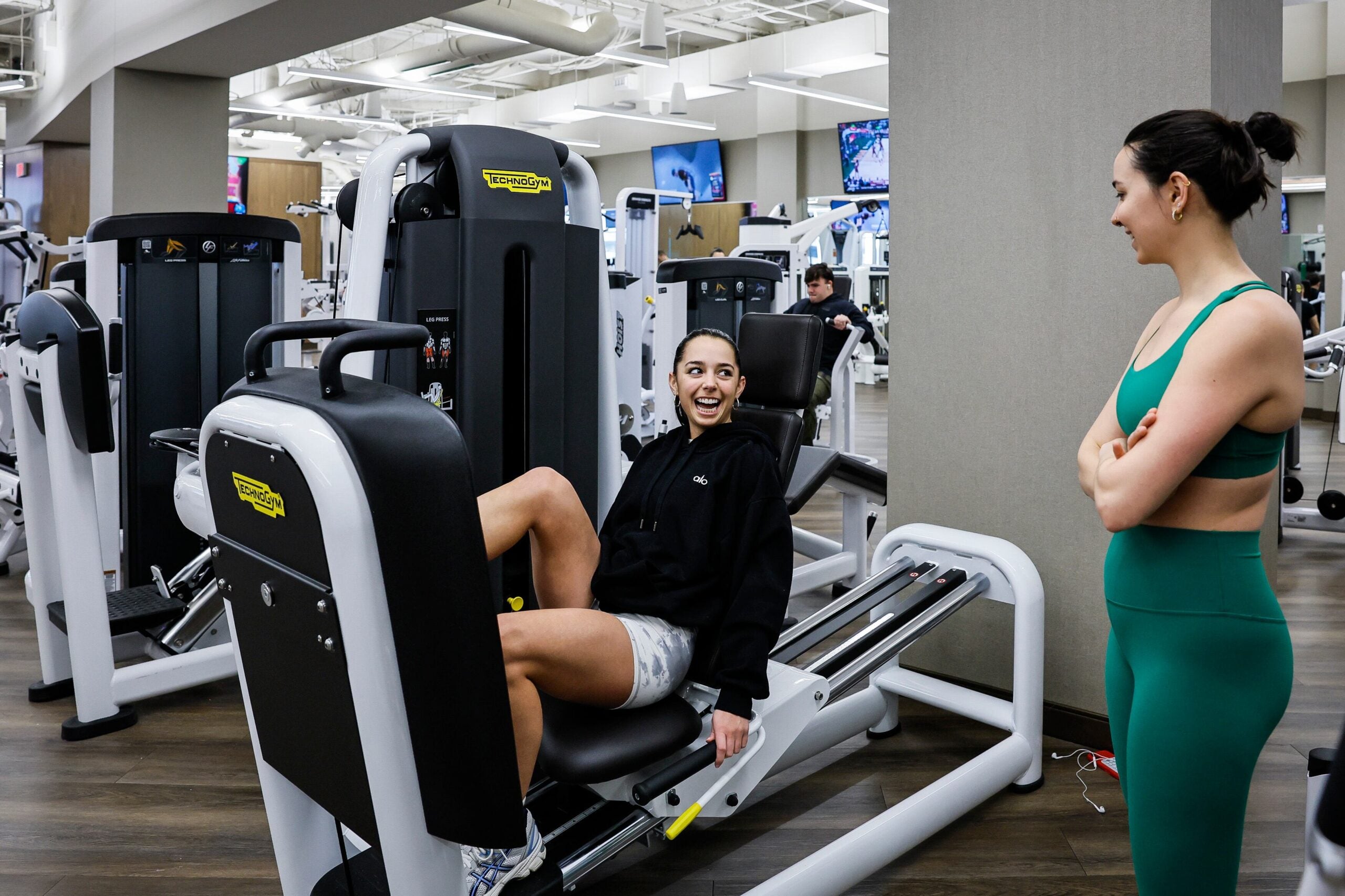
John Atwood, a Natick-based fitness industry consultant, said the thinking is simple, for those who can afford it: “If this is incredibly important to your lifestyle, if you’re going to come to this place three times a week, then isn’t it worth it to spend a little bit more money?”
How young people choose to spend may matter a lot to the fitness industry. A 2025 report from the Health & Fitness Association, a Boston-based industry group, found that 25- to 44-year-olds now represent the largest gym-going population, or roughly a third of all membership. Millennials still buy the most premium gym memberships at 48 percent, though the large size and spending habits of Gen Z suggests that trend may soon skew younger.
“The trend where that age group is seeing this as a necessity and not as a luxury is definitely accurate,” said Parham Javaheri, president of club operations and chief property development officer at Life Time.
Data also shows Gen Z lean toward the kinds of workouts that can get pricey, with 43 percent of boutique studio membership being 25-and-unders.
Saitowitz, of New York Sports Club, said despite the brand’s struggles there will always be demand for a full-service gym for those who decide against, or can’t afford, premium options.
“What we’re looking to do is provide enough value to that consumer, that they want to and can justify spending what we charge,” she said.
It remains to be seen if that will be enough to keep members like Esrawi. For now, he’s content paying his $55 membership. But as for when he’ll consider somewhere else?
“When I start making money,” he said.
News,Health,Local News,Massachusetts News,The Boston Globe#overpay #comfortable #midbudget #gyms #die #patrons #face #tough #choices1770735096