Real Estate
Don’t have an outdoor gathering space? Winter is the time to start planning.
Jane Messinger
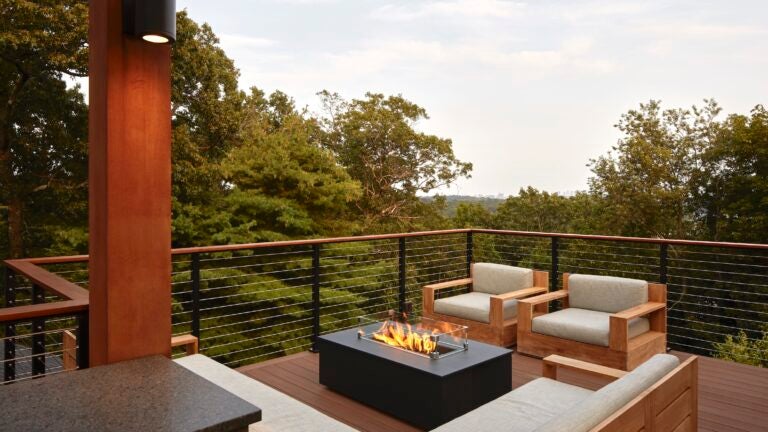
As we dig out from snowstorms, turn the heat up against the unrelenting cold, and throw another log onto the fire, I thought perhaps an article about summertime pursuits might be encouraging. As hard as it may be to believe right now, winter will in fact end, and our thoughts will turn to warm-weather fun —parties on the deck, porch, or patio. Don’t have an outdoor gathering space? Now is the time to start planning.
Start with what may sound like a simple question: Are you a patio person or a deck person? Some like a deck with railings, others like how a patio can seamlessly blend into the landscaping when done right. Often, the choice is easy because of the house’s elevation or property characteristics, but when both options are available, I am shocked when clients haven’t really thought about it and have to do some soul searching to decide how they want to enjoy their yard.
Building a new deck
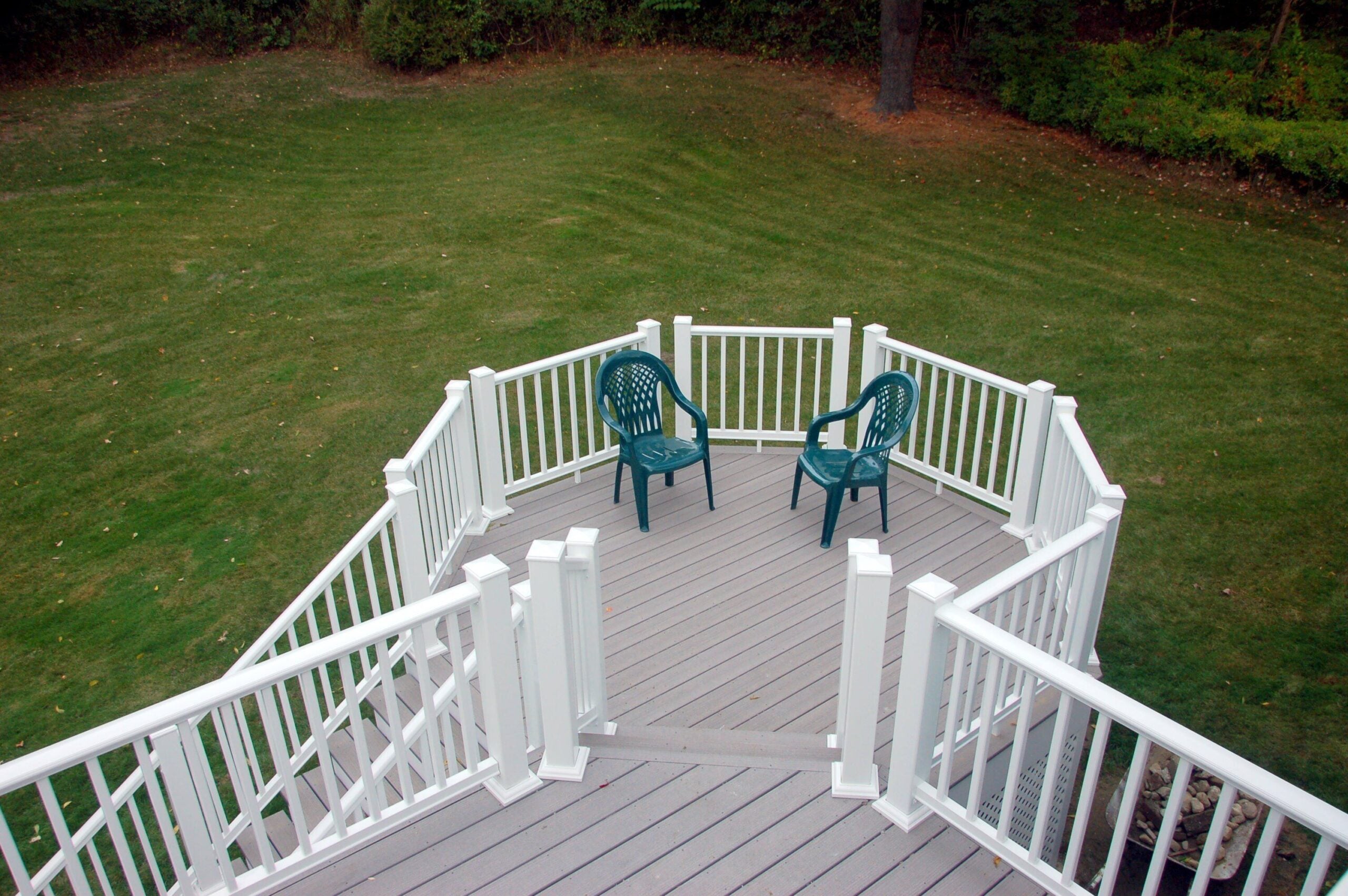
We’ll start off with the most common approach, which is typically an outdoor deck. These integrate easily onto the side or back of a house. Sometimes they will wrap around from the side to the back, offering multiple ways in and out of the house. Decks do require quite a bit more planning and architectural work because they involve a building permit and can come with zoning issues.
Things to consider when planning a deck:
Size and shape. How do you plan to use the deck? Large parties or just for the family? Dining or just coffee and drinks? Umbrella table or awning mounted to the wall? Our advice is to go larger if you can because furniture takes up a lot more space than you may think. You need to be careful of stairs leading off the deck into the yard. Larger, open stairs look nice in magazines, but since you can’t put furniture in front of the stairs, they can limit the usable space.
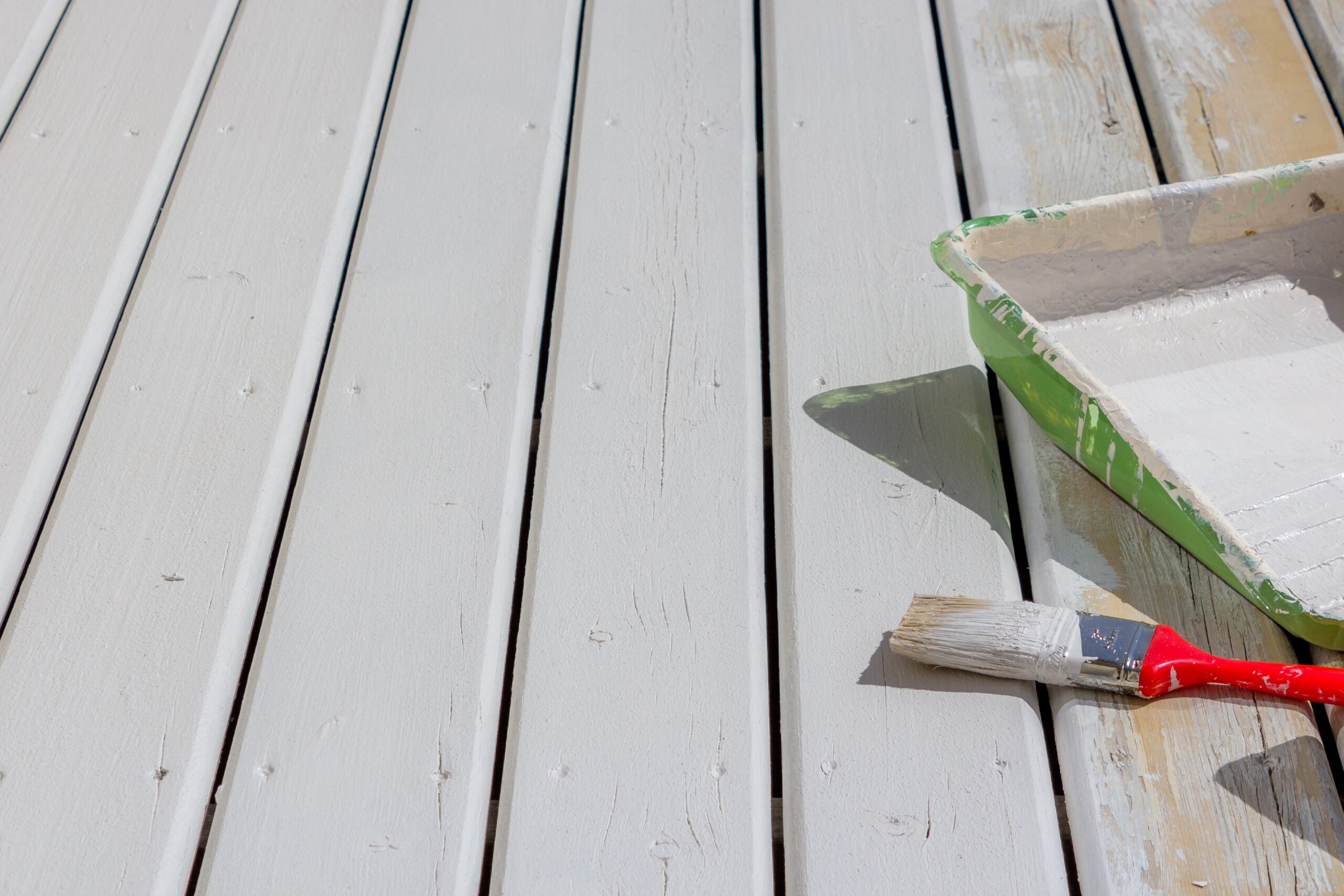
Decking. There are so many options for decking now. We never use pressure-treated decking anymore. Those who want a wood deck are going with hardwoods like Ipe, Garapa, or Red Meranti (often referred to as mahogany). These are exceptionally durable with beautiful color and grain, but they need to have a clear finish applied. The finish needs to be maintained with a new coat every few years, so it is a commitment.
We have been installing more composite decking material than wood for several reasons. One is the maintenance — once installed, you only need to clean them occasionally — and another is that composite decks have come a long way in terms of look and feel. They have realistic wood grains, along with variable sizes and color shades.
Railings. These also have also come a long way. As with decking, we are using more and more composite materials as opposed to the hardwoods mentioned above. There are quite a few traditional-looking balusters and railings that are composite and look nice. Something we are doing more of now is clear safety glass rails that offer panoramic views around the deck. Cable rails are also becoming more and more popular.
Depending on the height of the deck, you may be able to get away with no railings, just a platform and stairs. Consult with your architect and builder for the parameters for going with no railings. We will often use planters on decks with no rails to give the space some definition while keeping unobstructed views.
Building a new patio
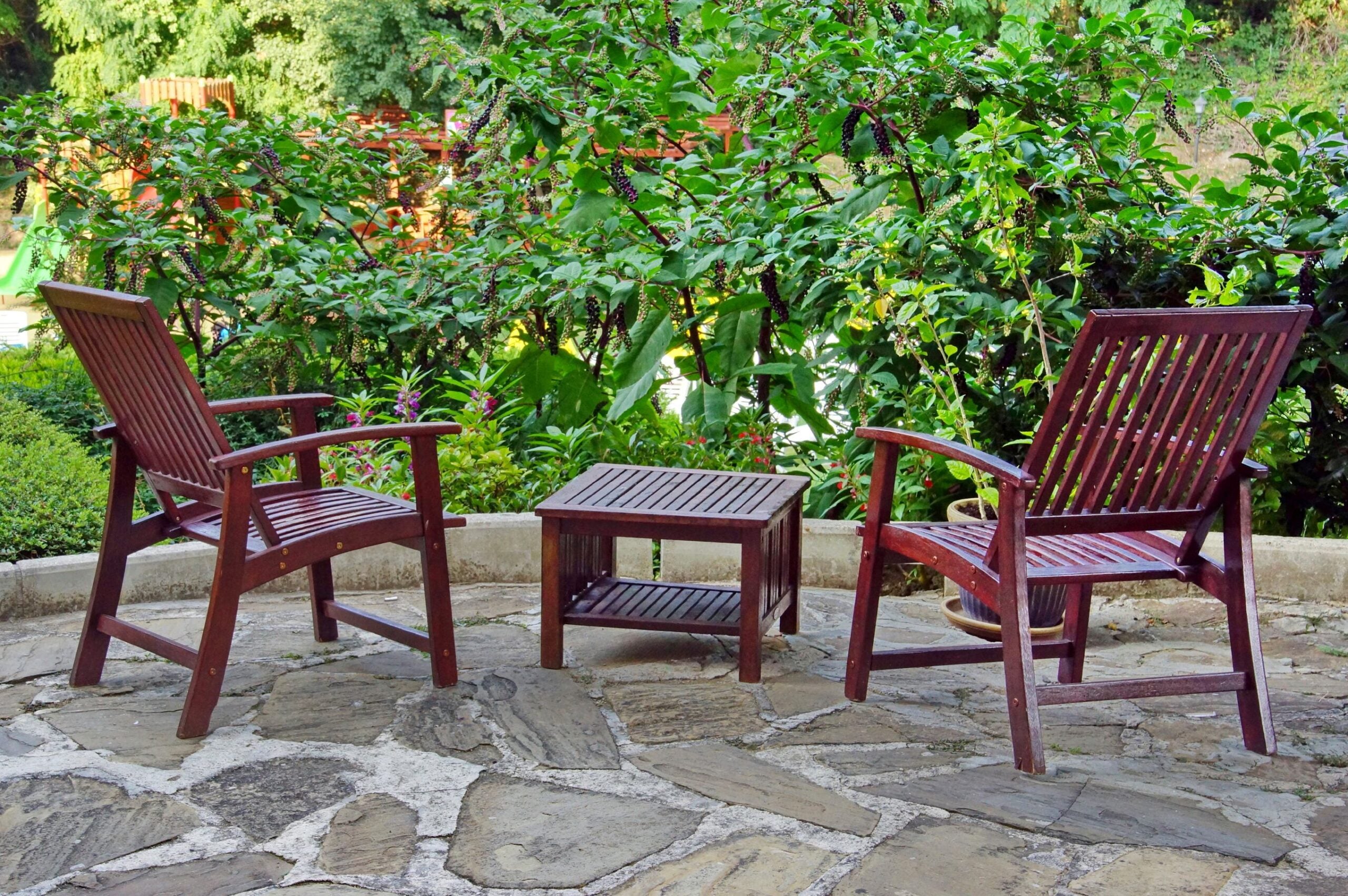
The second most common form of outdoor space (at least for our company) is a patio. These are more often than not tied into an overall landscape plan so that materials and plantings will complement each other. The good news about a patio is that because they are done as part of landscaping, they do not have the permitting requirements that a deck or porch does. The materials chosen may have permeability issues (rainwater runoff), which could trigger at least a review with town officials, but your landscaper or mason will have a handle on that.
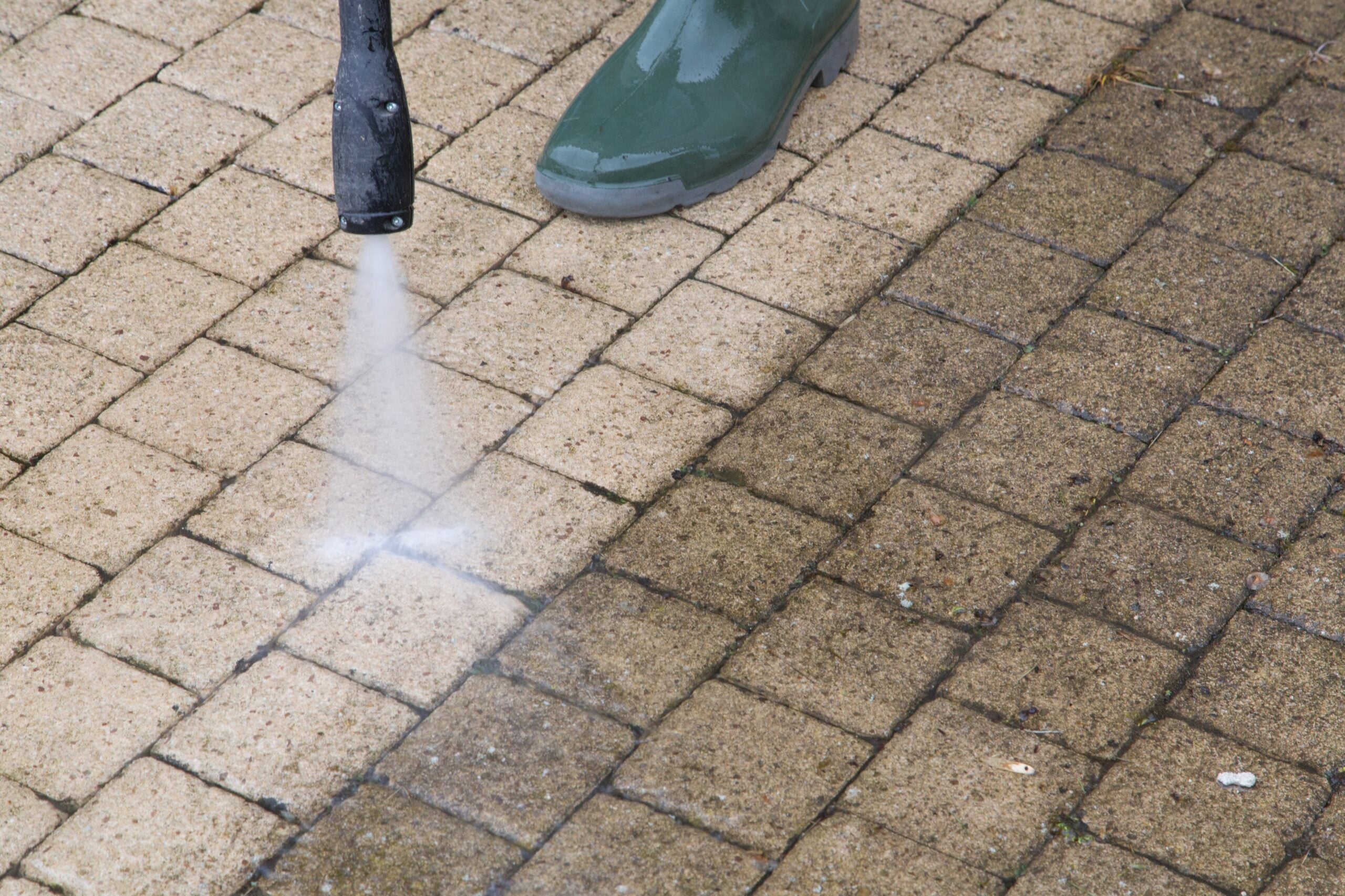
Things to consider when planning a patio:
Materials. Patios can be natural stone such as bluestone, flagstone, or granite. These have a timeless beauty and blend more naturally into a natural stone wall, which is often a feature in many landscape projects. Concrete pavers are a less expensive option for a patio. Like the composite decking, they have come a long way in terms of beauty and selection. There are also wall-building materials that match the pavers if you have retaining walls or planting beds. Pavers are a great option if natural stone is too expensive.
Building a new porch
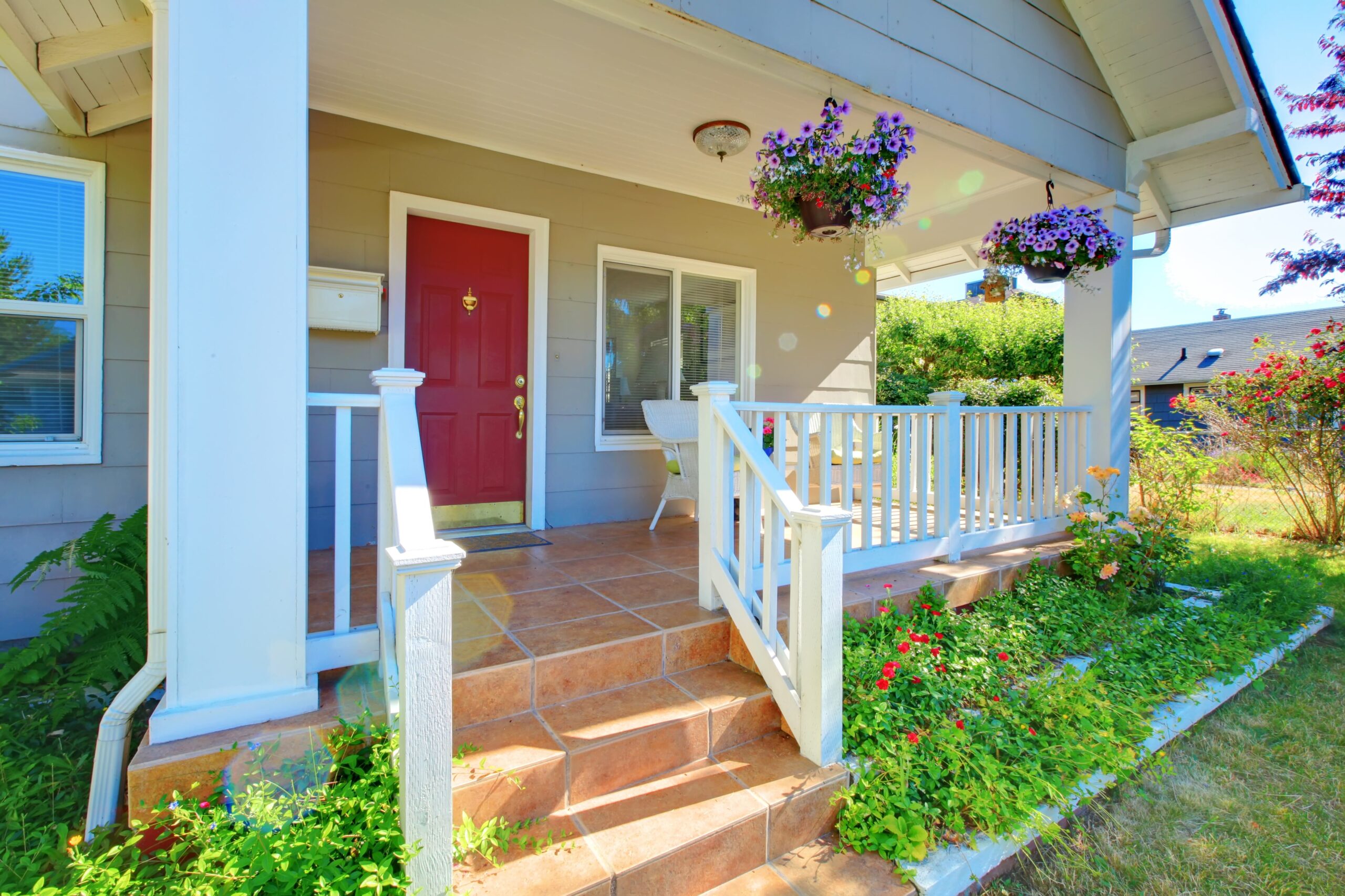
Finally, a porch is essentially a deck with a roof and usually screening. This will have the same permitting issues that a deck has, plus a potential extra hoop to jump through because of the roof. The roof is considered an impervious surface, and so the conservation commission will also weigh in together with the building department and zoning board.
This is oversimplifying, but there are two main types of porches:
Front porches tend to be a design element for the façade of the house. They are often fairly shallow — 4 to 5 feet deep with trim that ties into the house. They are a beautiful addition if done properly and take the home’s overall architectural integrity into account. These harken back to a day when the owners would sit on their porch and chat with their neighbors on a summer day.
Rear porches tend to be built with more purpose: to have space to dine or to entertain friends while keeping insects at bay. Most people would not put a roof over a rear deck unless they were going to screen it in or make it a three-season room. We do advise clients to think long and hard about whether they need a screened-in porch. More often than not, the deck or porch is off the main living area with large sliders, and perhaps additional windows. When a covered porch goes onto the house, it blocks an enormous amount of natural light from making its way into the living area. Nobody wants to block natural light, especially in the winter, so these trade-offs should be carefully discussed beforehand.
Whichever way you go, if you start planning your outdoor space in the depths of winter, you’ll be more likely to have it ready when the weather turns warm again. Which I am told it will someday.
Mark Philben is the project development manager at Charlie Allen Renovations in Cambridge. Send your questions to [email protected]. Questions are subject to editing. Subscribe to the Globe’s free real estate newsletter — our weekly digest on buying, selling, and design — at Boston.com/address-newsletter.
Address Newsletter
Our weekly digest on buying, selling, and design, with expert advice and insider neighborhood knowledge.
Real Estate#remodeler #adding #deck #porch #patio #home1770383259