The doctrine of Velayat-e Faqih allowed Khomeini to supersede the political views of other government officials and the popular will itself. The constitution was thus wrested from the Iranian people and appropriated by a ruling cadre that imposed its own interpretation of Islamic law upon them. Blind obedience to the Supreme Leader’s will transformed violence against victims into patriotism and a righteous struggle against “corruptors on earth.”
Subsequently, the loss of rights suffered by a wide range of Iranians—Baha’is, gays, feminists, dissenting intellectuals, and young people with non-ideological dreams—became a widespread loss of identity. But as the population swelled from around 38.5 million in 1980 to over 92 million today, post-revolutionary Iran grew younger and more rebellious than revolutionary.
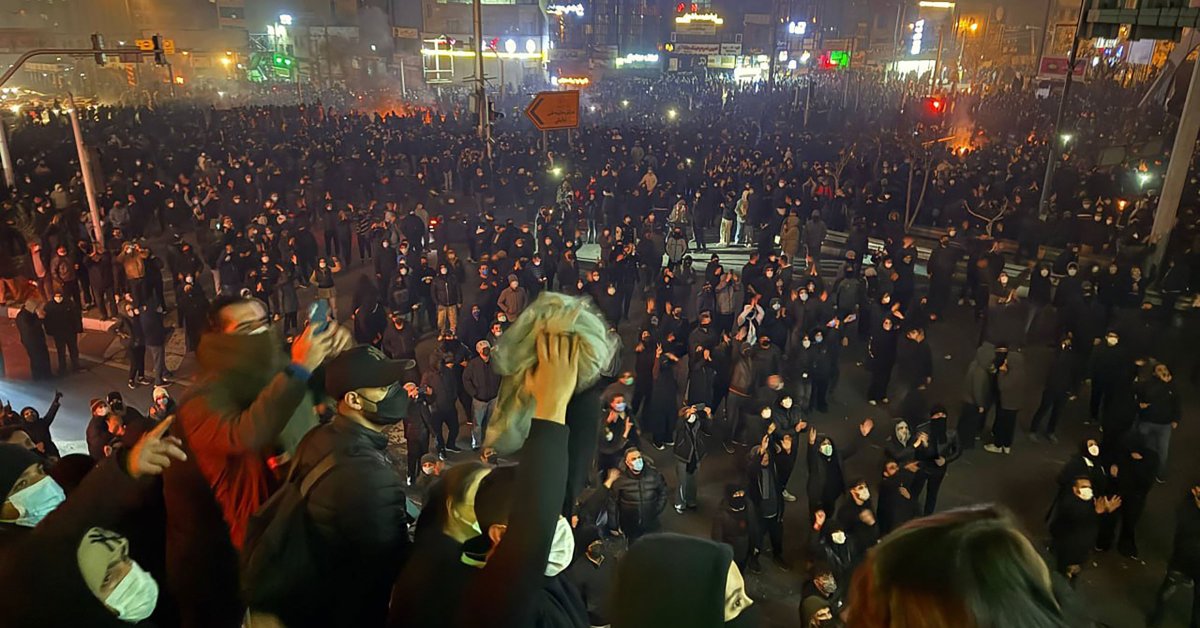
Over the past 30 years, a new type of Iranian, who is defined by the absence of ideology, has emerged. These Iranians embrace individualism and global culture through the internet, and simply want to exist and act as citizens within their society. A new vision of society has taken hold in Iran—nourished by these new Iranians, particularly young women—and it has chipped away at the legitimacy of the regime.
Uncategorized,MagazineIran,Magazine#Iran #Beautiful1770158985