Home Improvement
Ice dams can damage roofs and homes — here’s how to spot, prevent, and remove them.
Winter in Boston can provide plenty of fun, from snowball fights to sledding or ice skating on Frog Pond — but it can also create ice dams, a common and potentially costly problem for homeowners.
We spoke with Joe Palumbo, the owner of Ice Dam Guys, a Minnesota-based company specializing in ice dam removal in New England and the Midwest, and Northeastern University professor David Fannon, an expert in sustainable, high-performance building design and resilient architecture, to find out what homeowners need to know.
What is an ice dam, and why does it matter?
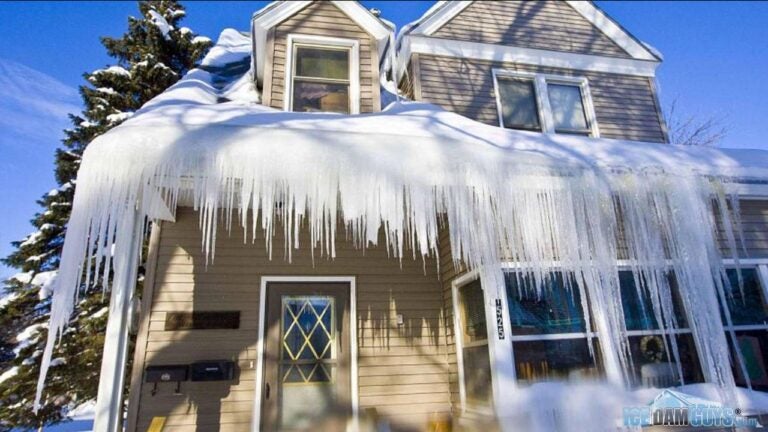
An ice dam is a ridge of ice that forms along the edge of a roof, typically near gutters, according to the National Weather Service.
When water melts higher up on the roof, it runs down toward the colder overhang and refreezes, forming the ice dam, Palumbo said. As the water continues to melt and refreeze, the ice dam grows larger.
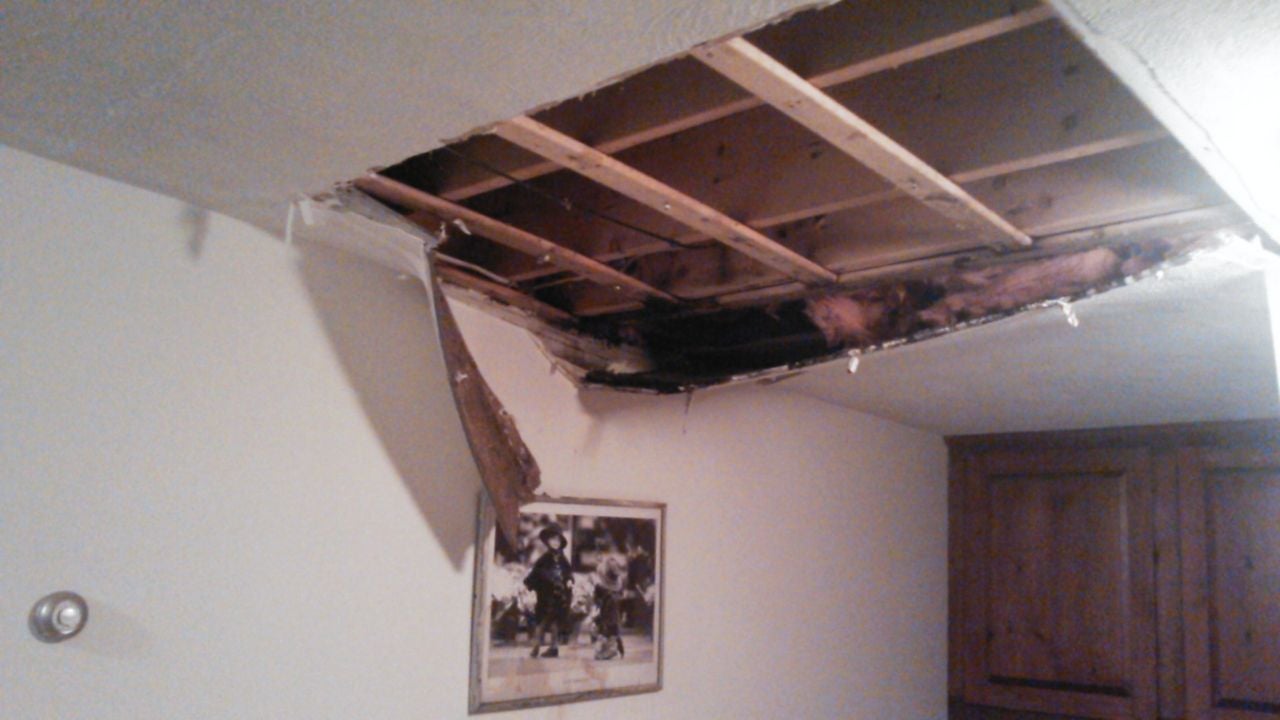
Ice dams are a problem because they trap water, which can leak under shingles and into walls, ceilings, and insulation, Palumbo said.
“It’s trickling down the shingles, rolling down the slope of the roof from the top to the bottom,” he said. “It just keeps building up one microscopic layer at a time.”
Fannon added that ice dams can cause serious structural issues.
“That dam of ice sitting there is blocking liquid water that comes down,” he said. “Most roofs are not designed to have liquid water sitting on them.”
If water pools behind the ice, it can leak into areas not meant to handle it, causing damage, including to electrical systems, and potentially mold, Fannon said.
“It’s allowing water to go a place that was not designed to handle water,” he added. “How bad that is kind of depends on the specific situation, the exact design of the building we’re talking about.”
Warning signs to watch out for
Homeowners should pay attention to large icicles along the roof edge, Palumbo said. Even smaller icicles can cause problems, he added, and ice forming from the soffit means water is already pooling behind the ice.
Ice forming along the sides of a house is another warning sign, Palumbo said, because it shows that water has traveled down the siding and could already be leaking into the home.
But icicles on a roof don’t always signal a serious problem.
“If you have icicles on your roof, you have an ice dam, but it doesn’t necessarily mean it’s bad,” he said. “You could have a little ice dam, but the water is still able to get over it, and you’re okay.”
The danger comes when the ice dam grows large enough to block water from passing.
“Usually, the bigger the icicles, the bigger the ice dam,” he said. “That’s almost always the case.”
How to prevent ice dams
In winter, the best way to prevent ice dams is to remove snow from the roof, Palumbo said. He recommended using a plastic roof rake to clear snow safely without damaging shingles.
“The best thing you can do in the winter is get a roof rake and rake as much of your roof off as you can reach,” he said.
Year-round prevention focuses on improving insulation and ventilation into the attic. Sealing attic bypasses, such as gaps around outlets, smoke detectors, and light fixtures, keeps warm air from escaping into the attic, Palumbo said.
Adding insulation in the attic retains heat in the living areas, while proper ventilation with soffit and roof vents moves any excess heat out, he added.
What to do if you already have an ice dam
If an ice dam has already formed, the safest removal method is steaming, Palumbo said.
Palumbo cautioned against using salt, which can cause saltwater to leak into the house. Calling a professional is also a smart option, he said.
Ultimately, preventing and dealing with ice dams comes down to staying proactive, Palumbo said.
“Increase insulation, increase ventilation, and seal up those attic bypasses so you don’t have hot air from the interior living space going right into your attic,” he said.
Sign up for the Today newsletter
Get everything you need to know to start your day, delivered right to your inbox every morning.
Real Estate,Home Improvement,Local News,Massachusetts News,Snow,Weather,Winter#ice #dam #Heres1770132046